You’ve decided a sliding patio door makes sense for your home. Maybe you want more light, easier access to the backyard, or a cleaner look than a swinging door. But now you’re staring at options two-panel, three-panel, vinyl, fiberglass, Low-E, argon, multi-point locks and wondering where to start.
Here’s the honest answer: choosing the right sliding patio door comes down to five decisions. Get those right, and the rest is detail. Get them wrong, and you’ll end up with a door that sticks, leaks, fogs, or never quite feels right.
This guide walks you through those five decisions configuration, glass, frame, security, and installation with Arizona-specific advice. And if you want local help sorting through the options, Windowz4Less Arizona works with homeowners across the Phoenix metro area.
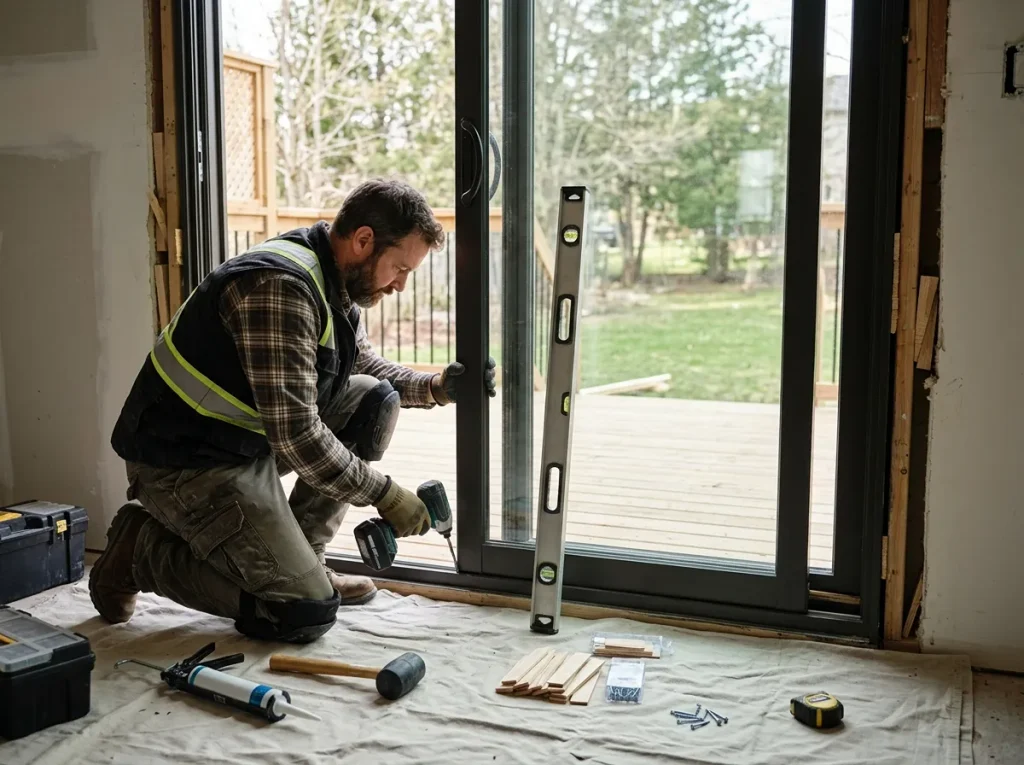
Table of Contents
Decision 1: Configuration and Size
Real-World Conditions: The “If/Then” Guide
The Regrets Homeowners Mention Most
Key Takeaways / Quick Summary
- Start with the opening, not the door—measure the rough opening and decide on panel configuration first
- Low-E glass is non-negotiable in Arizona—heat gain and loss through windows accounts for 25–30% of residential heating and cooling energy use (U.S. Department of Energy)
- ENERGY STAR-certified doors lower household energy bills by an average of 12%
- For west- and south-facing doors, solar heat gain coefficient (SHGC) matters more than U-factor
- Fiberglass and thermal-break aluminum hold up best to Arizona heat and UV; quality vinyl is a good budget option
- Security depends on the lock, the track, and the glass—not just the frame
- Expect 1,500–5,000+ installed for a typical slider; premium and oversized units cost more
- Professional installation protects performance and warranty coverage
Decision 1: Configuration and Size
Before you compare brands or glass packages, figure out what your opening can actually accommodate.
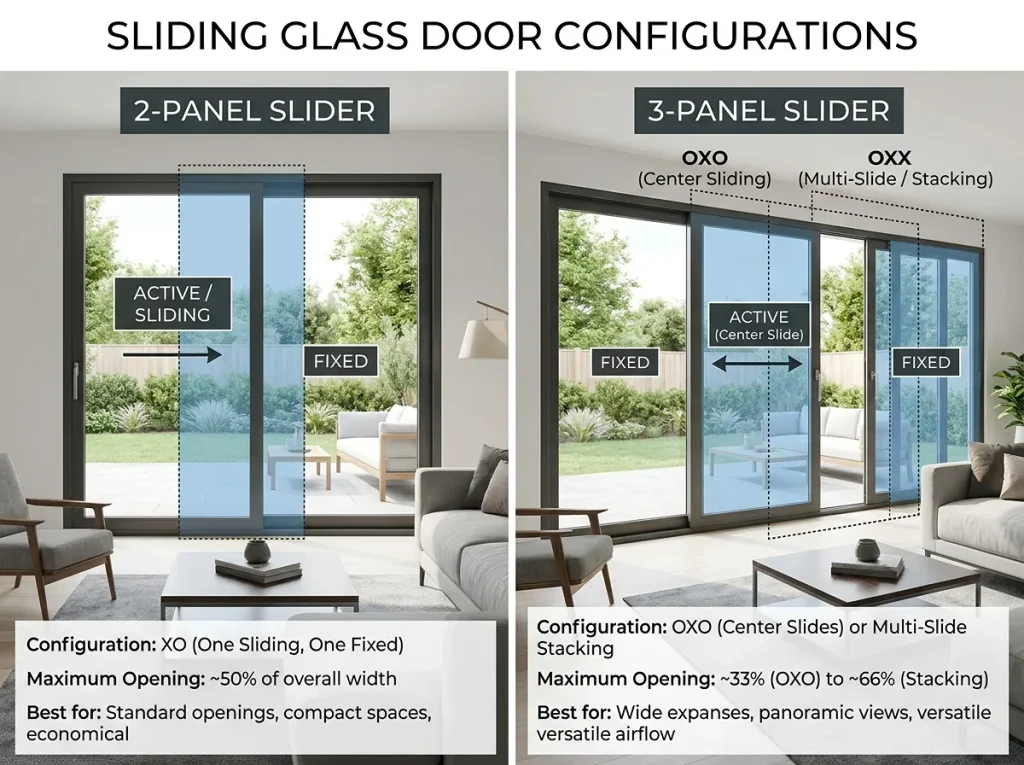
Two-panel slider: one fixed panel, one sliding panel. The standard choice for most homes. Affordable, widely available, and fits typical openings.
Three-panel slider: wider opening, more usable access. Good for larger patios and great rooms.
Four-panel slider: two center panels slide, outer panels fixed. Creates a glass-wall effect.
Pocket slider: slides into a wall cavity. Offers the widest clear opening but requires wall space.
Lift-and-slide: premium hardware for very large, heavy panels. Highest cost, best for high-end projects.
If your opening is standard width → Then a two-panel slider is usually the best value.
If you want a wider clear opening → Then a three- or four-panel slider gives you more usable access without a swinging panel.
If you have limited wall space → Then a pocket slider can maximize the opening, but confirm structural feasibility first.
Decision 2: Glass Package
This is where most of your energy performance comes from—and where Arizona buyers should spend the most attention.
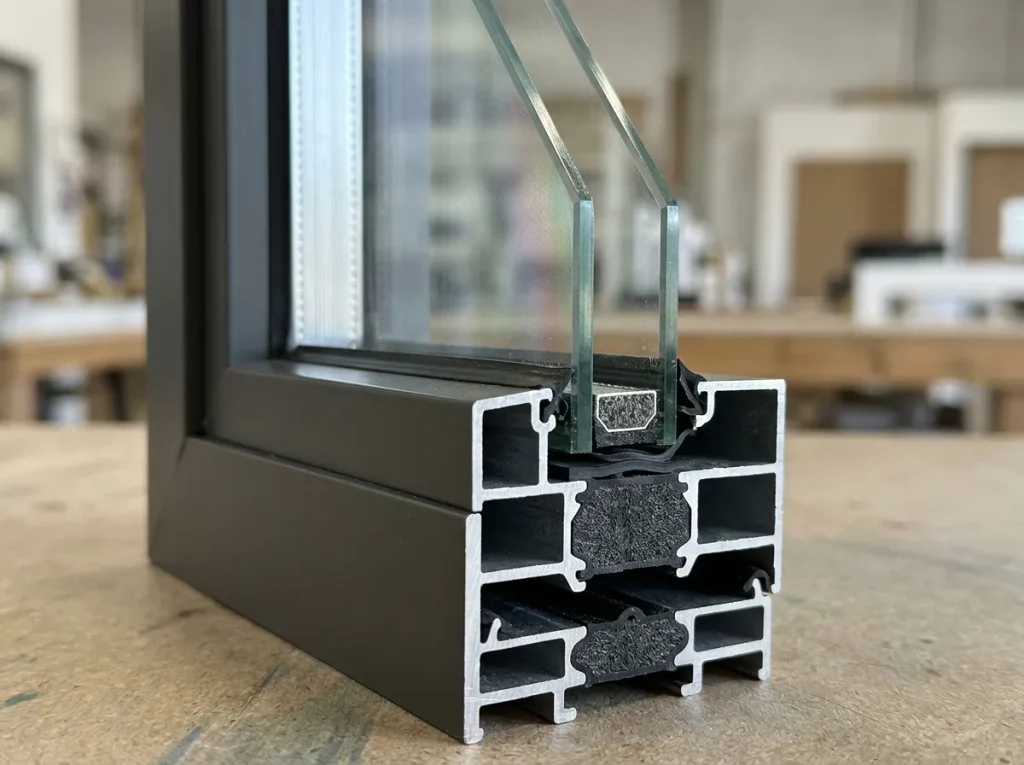
According to the U.S. Department of Energy, heat gain and loss through windows accounts for 25–30% of residential heating and cooling energy use. A sliding patio door is a large glass area, so its performance matters more than a small window’s.
What to prioritize:
- Double-pane glass — standard baseline
- Low-E coating — reflects infrared heat; essential in Arizona
- Argon or krypton gas fill — better insulation than air
- Low solar heat gain coefficient (SHGC) — critical for west- and south-facing doors
- Impact-resistant or laminated glass — improves security and durability
If your door faces west or south → Then prioritize the lowest SHGC you can afford. Afternoon sun is the biggest heat load.
If you’re on a tight budget → Then keep the frame simple, but do not skip Low-E glass. The glass matters more than the frame for energy performance.
If security is a concern → Then upgrade to laminated or impact-resistant glass.
Decision 3: Frame Material
The frame affects durability, maintenance, and how the door handles Arizona’s heat and UV.
| Material | Pros | Cons | Best For |
| Vinyl | Affordable, low maintenance, good insulation | Can become brittle in extreme heat if low quality | Budget-conscious buyers |
| Fiberglass | Durable, stable in heat, low maintenance | Higher upfront cost | Most Arizona homes |
| Aluminum (thermal break) | Slim profiles, strong, modern look | Conducts heat without thermal break | Modern designs |
| Wood / aluminum-clad | Beautiful interior, durable exterior | Highest cost, more maintenance | Premium and custom projects |
Arizona tip: For exterior sliders, fiberglass and thermal-break aluminum hold up best to heat and UV. Quality UV-stabilized vinyl is a solid budget option.
If you want the best long-term value → Then choose fiberglass. It resists warping and handles temperature swings well.
If you want slim sightlines and a modern look → Then choose thermal-break aluminum.
If you’re on a budget → Then choose quality vinyl with a good glass package, and confirm it’s UV-stabilized.
Decision 4: Security
Sliding doors have a reputation for being easy to break into—but that reputation is largely about cheap units with weak locks and tracks.
What actually improves security:
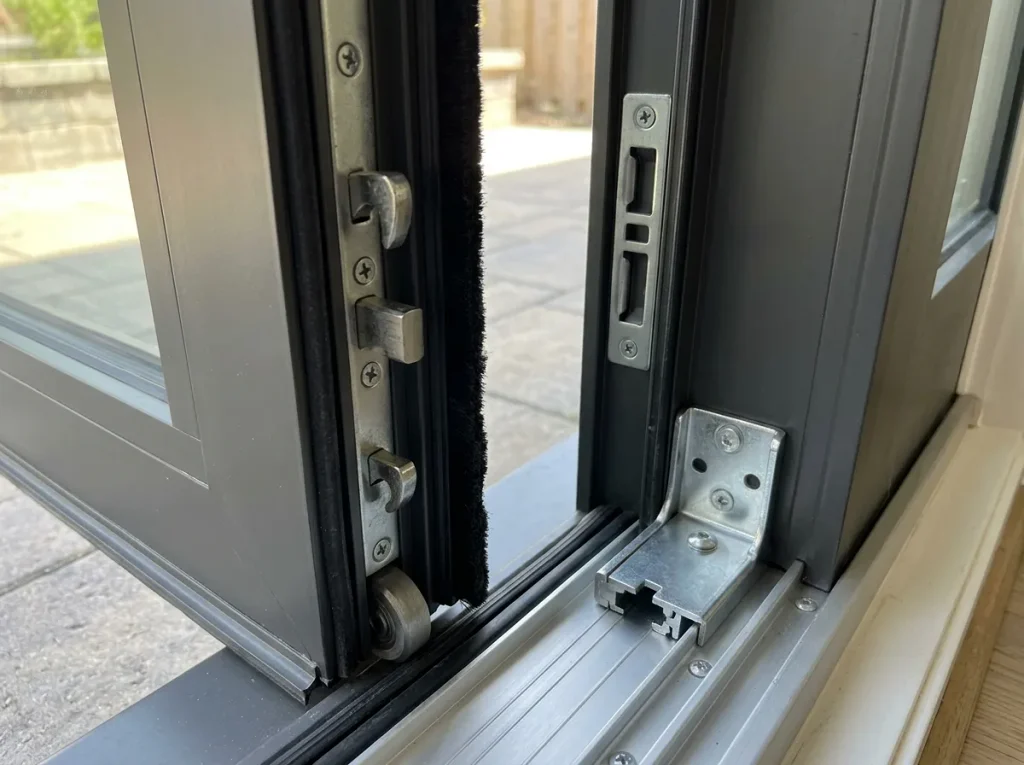
- Multi-point locking systems that secure the panel at the top, middle, and bottom
- Reinforced track and anti-lift blocks to prevent the panel being lifted out
- Impact-resistant or laminated glass to resist breakage
- Secondary security bars or pins for older units
- Proper installation that anchors the frame into structural framing
If security is your top concern → Then choose a unit with a multi-point lock and anti-lift track, and pair it with laminated glass.
If you have an older slider → Then a secondary pin or bar is a cheap, effective upgrade while you plan replacement.
Decision 5: Installation
A premium slider installed poorly will leak, stick, and fog. A mid-range slider installed correctly will perform reliably for decades.
What professional installation includes:
- Accurate measurement of the rough opening
- Removal and disposal of the old door
- Inspection and repair of any rot or damage
- Proper flashing and waterproofing
- Level, square setting of the frame
- Anchoring into structural framing
- Low-expansion foam insulation
- Exterior sealing and interior trim
- Testing the track, rollers, lock, and seal
Arizona-specific: Stucco exteriors require cutting back the stucco to access framing—a step that inexperienced installers often rush or skip. That’s where leaks start.
If you have a stucco home → Then confirm your installer has specific experience flashing and anchoring in stucco.
If you’re replacing an older slider → Then inspect the rough opening for rot before installation. Repair it first.
Real-World Conditions: The “If/Then” Guide
If you’re on a tight budget → Then choose a standard two-panel vinyl slider with Low-E glass. Skip premium hardware, but don’t skip the glass package.
If you have a wide opening → Then consider a three- or four-panel slider or a lift-and-slide door.
If your door faces west or south → Then prioritize low SHGC and Low-E glass.
If you have young children or pets → Then choose a slider with a smooth track and no bottom cord hazards.
If security is a concern → Then choose multi-point locking, anti-lift track, and laminated glass.
If you’re planning to sell your home → Then a new energy-efficient slider is a visible, marketable upgrade.
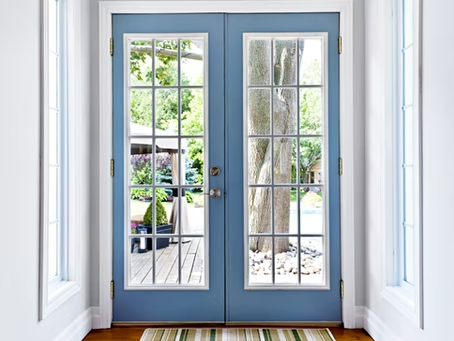
If you want maximum ventilation → Then consider a French door or a slider with two operable panels.
If you’re comparing sliders to French doors → Then read our comparison of French doors vs sliding patio doors before you decide.
If you want a deeper dive into all the options → Then read our sliding patio door buying guide for a comprehensive overview.
The Regrets Homeowners Mention Most
Regret 1: Choosing cheap rollers and track
The track and rollers are the first things to fail. A few hundred dollars saved upfront turns into a sticking, noisy door within a few years.
Regret 2: Skipping Low-E glass
In Arizona, standard clear glass turns a patio door into a greenhouse. Low-E is not optional here.
Regret 3: Not checking the SHGC
Buyers focus on U-factor and ignore solar heat gain. For west-facing doors, SHGC matters more.
Regret 4: Hiring an installer without stucco experience
Improper flashing in stucco leads to water intrusion and rot—often discovered years later.
Regret 5: Ignoring the lock and anti-lift track
A beautiful door with a weak lock is a security liability. Ask about the locking system and track design before you buy.
Regret 6: Not keeping the warranty paperwork
Seal failures happen. The warranty is what protects you when they do.
Frequently Asked Questions
How do I choose a sliding patio door?
Start with the opening and configuration, then prioritize the glass package (Low-E, low SHGC), choose a frame material suited to Arizona’s heat, confirm the lock and anti-lift track, and hire an experienced installer.
What’s the best frame material for Arizona?
Fiberglass and thermal-break aluminum hold up best to heat and UV. Quality UV-stabilized vinyl is a good budget option.
Do I need Low-E glass in Arizona?
Yes. Low-E glass reflects infrared heat and is essential for energy performance in our climate.
What is SHGC and why does it matter?
Solar heat gain coefficient measures how much solar heat passes through the glass. Lower is better in Arizona, especially for west- and south-facing doors.
How much do sliding patio doors cost in Arizona?
Expect 1,500–5,000+ installed for a typical unit. Larger openings, premium glass, and fiberglass frames push the price higher.
Are sliding patio doors secure?
Yes, when equipped with a multi-point lock, anti-lift track, and laminated glass. Cheap units with basic latches are not.
How long do sliding patio doors last?
Quality units last 20–30 years with proper maintenance. Cheap rollers and seals fail much sooner.
How long does installation take?
A standard replacement takes 2–4 hours. Larger or custom units may take longer.
Do sliding doors qualify for tax credits?
Qualifying ENERGY STAR models may qualify for federal energy efficiency tax credits. Ask your installer for documentation.
What’s the difference between sliding and French doors?
Sliders save space and glide horizontally. French doors swing open and offer more ventilation. See our comparison of French doors vs sliding patio doors.
Why Talk to Windowz4Less Arizona
A sliding patio door is a big purchase, and the details matter: glass package, track quality, locking hardware, and installation. Getting those right is the difference between a door that performs for decades and one that causes headaches.
Windowz4Less Arizona works with homeowners across Mesa, Phoenix, Scottsdale, Gilbert, Chandler, and the surrounding Valley communities. We can help you compare options, understand which glass package makes sense for your sun exposure, and get a clear, itemized quote—no pressure, no hidden fees.
Your Next Step
If you’re ready to compare sliding patio doors for your home, start with a professional assessment. A free in-home estimate tells you exactly what your opening requires and what the project will cost.
Contact Windowz4Less Arizona today for a free, no-obligation estimate. We’ll help you choose the right sliding patio door for your Arizona home.