You’re sitting in your living room on a July afternoon in Phoenix. The AC is cranked to 78°F, but you can feel heat radiating from your windows like a space heater. And your energy bill? It’s climbing higher every month.
Here’s the honest truth: windows don’t last forever. In Arizona’s extreme climate with scorching summers, monsoon dust storms, and intense UV exposure windows can deteriorate faster than in milder climates. Most residential windows have a lifespan of 15 to 25 years. After that, even if they look okay, they’re likely costing you money.
The question isn’t if you should replace your windows it’s when. This guide will walk you through the seven warning signs that tell you it’s time for new window replacement.
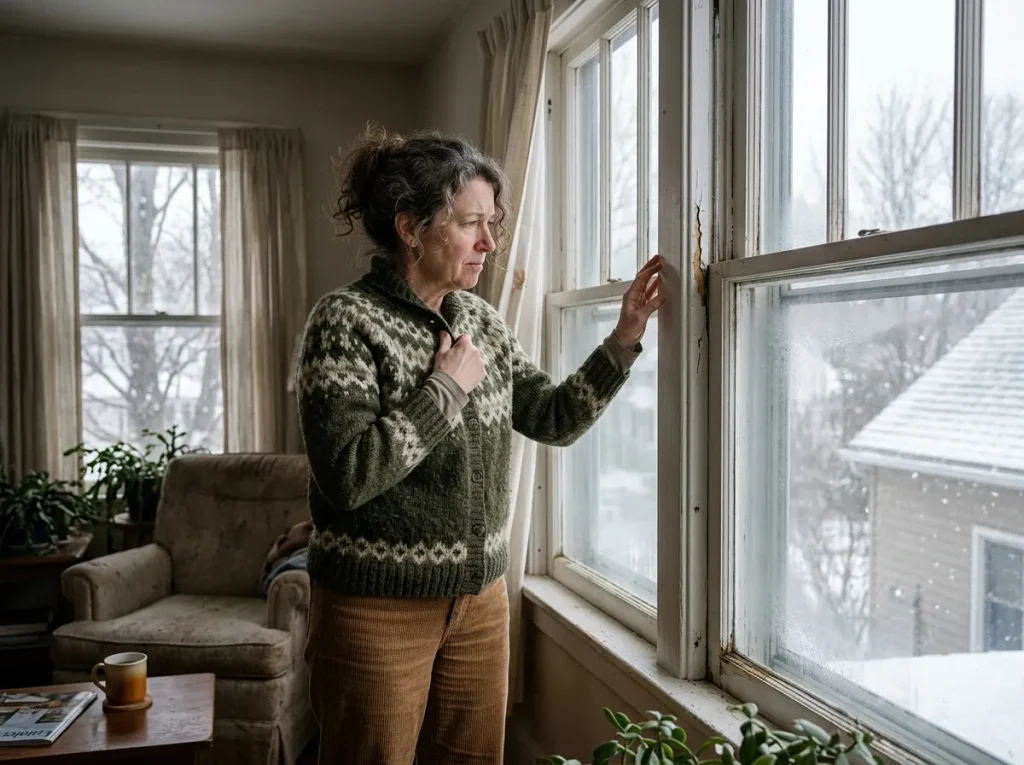
Table of Contents
Sign #1: You Feel Drafts Near Your Windows (High Priority)
Sign #2: Your Energy Bills Keep Rising (High Priority)
Sign #3: Condensation or Fog Between Glass Panes (High Priority)
Sign #4: Windows Are Difficult to Open or Close (Medium Priority)
Sign #5: Excessive Outside Noise (Low Priority)
Sign #6: Visible Damage or Rotting Frames (High Priority)
Sign #7: Your Windows Are 15–20+ Years Old (Medium Priority)
Real-World Conditions: The “If/Then” Guide
The Cost of Waiting: What You’re Losing Every Year
Replacement vs. Repair: How to Decide
The Regrets Homeowners Mention Most
Key Takeaways / Quick Summary
- Windows over 15–20 years old are past their prime even if they look fine, performance has degraded
- Drafty windows can increase cooling costs by 25% or more in Arizona summers
- Foggy glass between panes means the seal has failed the window has lost most of its energy efficiency
- ENERGY STAR-rated windows can save up to $568 per year in energy costs
- Arizona homeowners can save up to 30% on monthly energy bills by upgrading to energy-efficient windows
- Federal tax credits cover 30% of project costs, up to $1,200 per year for qualifying upgrades
- Replacing all windows at once typically earns 10–20% volume discounts
Sign #1: You Feel Drafts Near Your Windows (High Priority)
If you can feel air moving around your closed windows, the seals have failed. In Arizona’s summer, this means your AC is fighting a losing battle.
What’s happening: Poor seals, gaps, or deteriorating frames allow outside air to infiltrate your home. You might notice that certain rooms are never as cool as others, or that you feel a breeze even when all windows are shut tight.
Why it matters: Drafty windows can increase cooling costs by 25% or more. Your HVAC system works overtime to compensate, which means higher bills and shorter equipment life.
What to do: If you feel drafts consistently, it’s time to consider replacement. New double-pane or triple-pane windows with insulated glass can significantly reduce air leakage and keep your home more comfortable year-round.
Sign #2: Your Energy Bills Keep Rising (High Priority)
If your utility costs keep increasing despite normal usage, your old windows may be to blame.
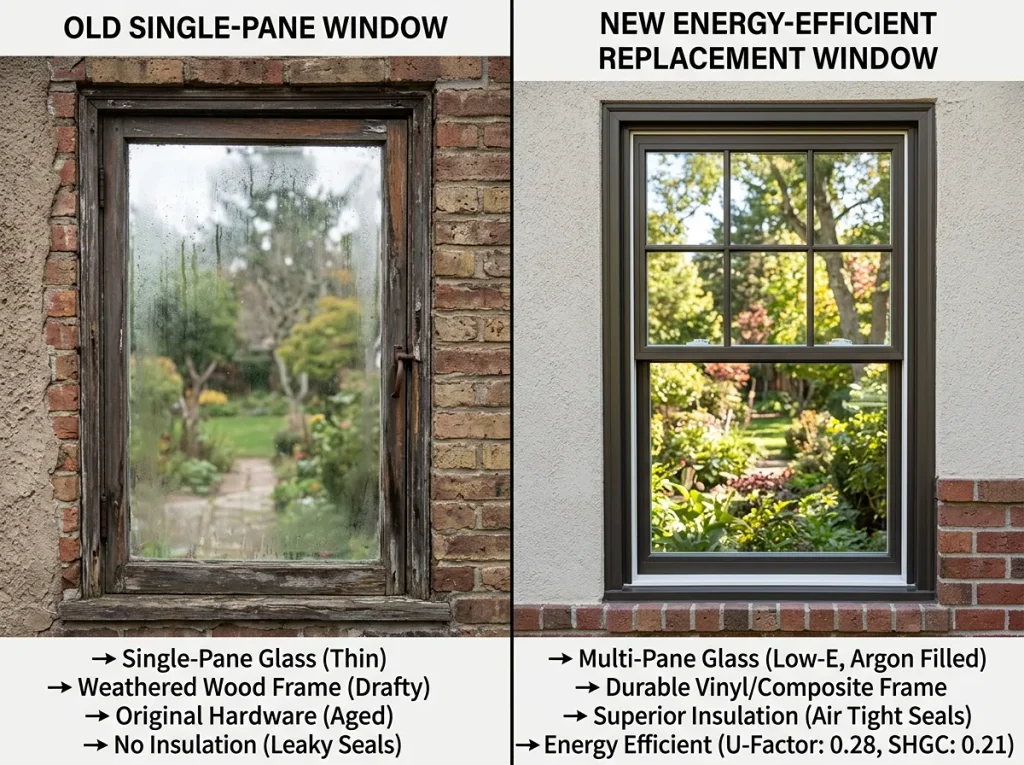
What’s happening: Old single-pane or failed double-pane windows are a major source of energy loss. According to the U.S. Department of Energy, heat gain and loss through windows account for 25 to 30 percent of residential heating and cooling energy use. In Phoenix, where cooling runs 8 to 10 months a year, that percentage hits harder than almost anywhere else.
Why it matters: Older windows allow heat transfer, making it harder to regulate your home’s temperature. The result? Your AC runs longer, your bills climb higher, and your comfort suffers.
What to do: Check your utility bills from the same months last year. If you see a significant increase (especially in summer cooling costs), your windows may be the culprit. ENERGY STAR-rated windows can significantly lower your energy consumption and save up to $568 per year.
Sign #3: Condensation or Fog Between Glass Panes (High Priority)
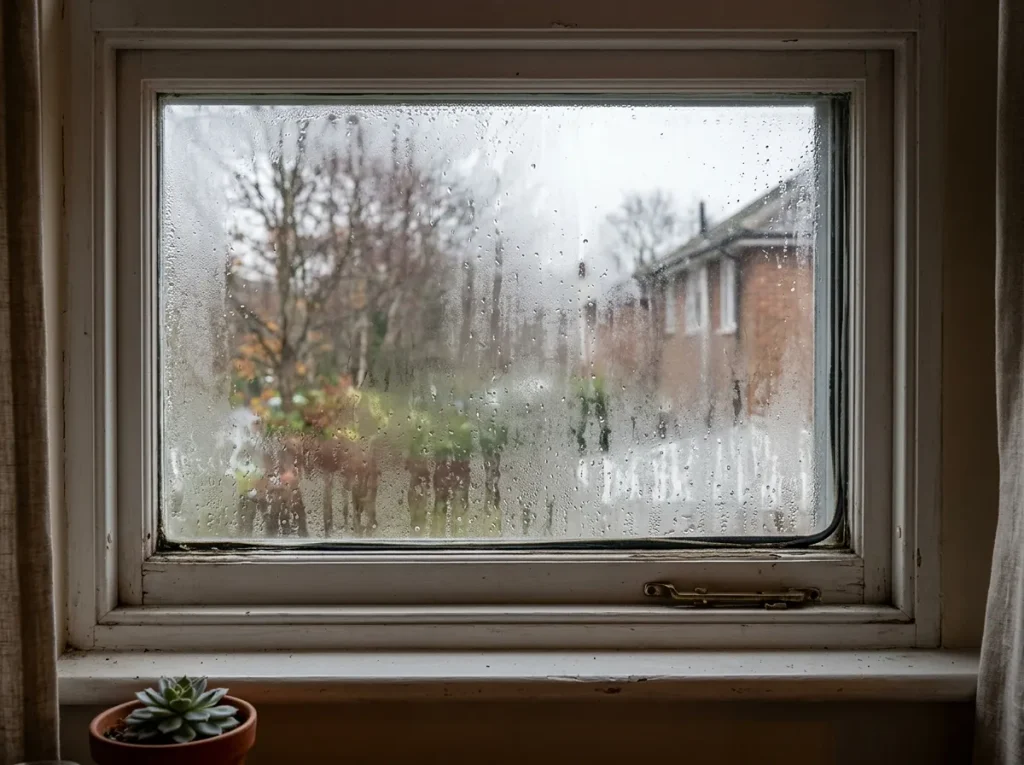
Seeing fog or condensation trapped between window panes is a major warning sign.
What’s happening: Foggy or cloudy glass between panes means the seal has failed and the insulating gas (argon or krypton) has escaped. Once this happens, the window has lost most of its energy efficiency. It’s one of the clearest signs that replacement is necessary.
Why it matters: This isn’t just an eyesore it means your windows are no longer insulating your home properly. The insulating gas that was keeping heat out is gone. Your energy bills will rise, and your comfort will suffer.
What to do: Condensation on the inside or outside of your windows is normal under certain conditions. But if you notice fog or moisture trapped between the panes, it signals a broken seal that cannot be repaired. Replacement is the only real solution.
Sign #4: Windows Are Difficult to Open or Close (Medium Priority)
Windows that stick, jam, or won’t stay open have balance or frame issues.
What’s happening: Warping, swelling, or damaged mechanisms can make operation difficult. In Arizona’s heat, aluminum and wood frames can warp significantly. Standard vinyl compounds can soften and warp above 140°F a temperature common on west-facing Phoenix walls in July.
Why it matters: This isn’t just frustrating it also compromises ventilation and safety. If you can’t open a window in an emergency, it becomes a serious safety hazard. And if you can’t close it properly, you’re losing energy and letting in dust and pests.
What to do: Regular maintenance can alleviate some of these problems, but persistent operational difficulties often signal the need for replacement. New window designs make cleaning easier and improve ventilation and safety.
Sign #5: Excessive Outside Noise (Low Priority)
Do you hear traffic, barking dogs, or loud neighbors even with windows closed?
What’s happening: Inadequate sound insulation from older or single-pane windows allows external noise to infiltrate your home. Quality windows provide significant sound dampening.
Why it matters: While noise is less critical than energy efficiency or structural damage, it affects your quality of life. A home that’s constantly noisy isn’t a peaceful retreat.
What to do: Upgrading to modern double or triple-pane windows with insulating frames can significantly reduce noise pollution, creating a more peaceful indoor environment. Acoustic-rated, energy-efficient glass can make your home a quiet retreat.
Sign #6: Visible Damage or Rotting Frames (High Priority)
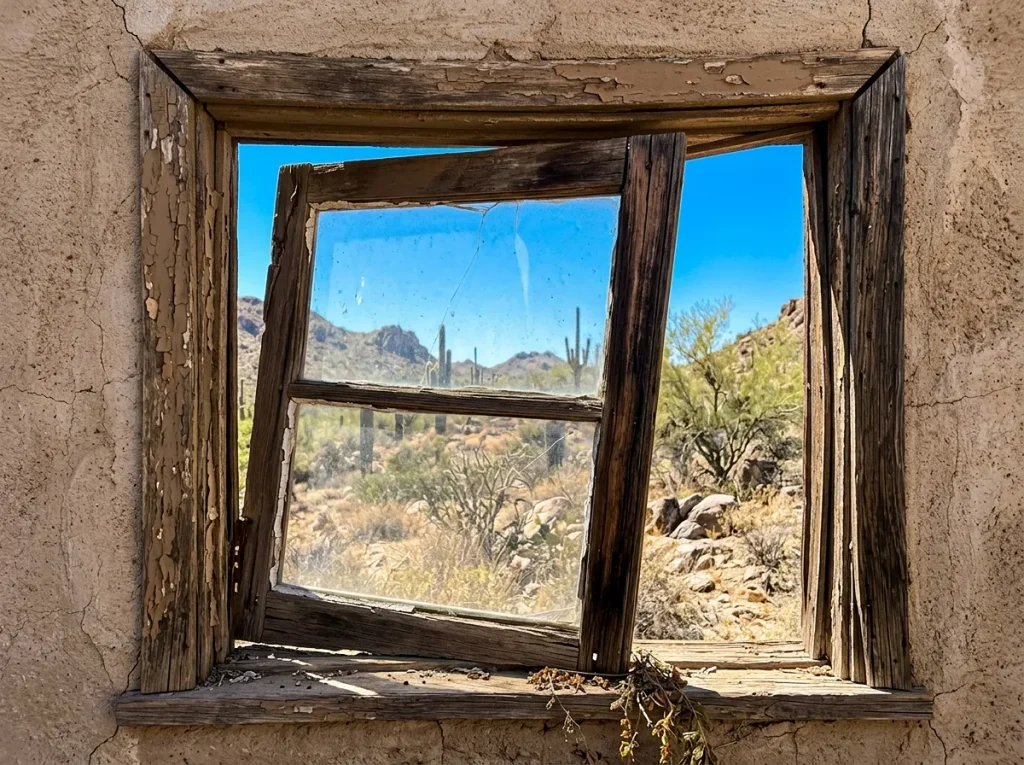
Cracked glass, chipped frames, peeling paint, or soft wood frames are clear red flags.
What’s happening: Physical signs such as cracked glass, rotting wood, or warped frames compromise both the appearance and functionality of your windows. In Arizona’s extreme climate, frames can rot, warp, or corrode faster than in milder climates.
Why it matters: Damaged windows let in water and pests and weaken your home’s insulation. These issues can lead to further structural problems if not addressed promptly. Even small cracks can let in dust, pests, and moisture.
What to do: If you notice staining, peeling paint, or a musty odor near your windows, replacement is likely necessary to prevent further damage. Choose durable vinyl or composite windows that resist warping and moisture.
Sign #7: Your Windows Are 15–20+ Years Old (Medium Priority)
Most windows have a 15–25 year lifespan. If yours are approaching or exceeding this age, they’re likely not performing as well as modern windows, even if they appear fine.
What’s happening: Window technology has improved dramatically in the last 20 years. Today’s double-pane, Low-E glass options reflect heat in the summer and retain warmth in the winter. Older windows simply can’t compete.
Why it matters: Even if your windows look okay, the seals, weatherstripping, and insulating gas have been degrading for years. You’re probably paying higher energy bills than you need to and you might not even realize it.
What to do: If your windows are approaching 20 years old, start planning for replacement. The energy savings alone can offset a significant portion of the cost. In Arizona’s extreme climate, windows can deteriorate faster, so don’t wait until they fail completely.
Real-World Conditions: The “If/Then” Guide
Here’s how to decide what to do based on your specific situation:
If your windows are under 10 years old → Then repair may be the better option. Minor issues like weatherstripping wear or hardware problems can often be fixed for under $50–$200 per window. Your windows may still be under warranty.
If your windows are 10–15 years old with minor issues → Then consider repair if the frames are sound and only the glass or hardware needs attention. Replacing just the glass unit (IGU) can save 50–70% compared to full window replacement.
If your windows are 15–20+ years old → Then replacement is usually the better long-term investment. Even if they appear fine, they’re likely not performing as well as modern windows. Repair costs can add up quickly, and you’ll still have old windows.
If your windows have failed seals (foggy glass) → Then replacement is your only real option. Once the seal fails and the insulating gas escapes, the window cannot be effectively repaired.
If your frames are rotting or warped → Then replacement is necessary. You can’t repair structural damage to frames you need new windows.
If you’re planning to sell your home → Then replacement is a smart investment. New windows boost curb appeal and resale value. Buyers notice old, drafty windows and they’ll factor replacement costs into their offer.
If you want maximum energy savings → Then replace all windows at once. Consistent insulation across the entire building shell reduces hot spots and lowers the load on your HVAC system, which can extend equipment life. Larger projects also earn per-unit discounts of 10–20%.
The Cost of Waiting: What You’re Losing Every Year
Let’s do the math. Every year you wait to replace old windows, you’re losing money.
| Cost Category | Annual Impact |
| Higher energy bills | $300–$600+ in wasted energy costs |
| HVAC strain | Shorter equipment life, more repairs |
| UV damage | Fading furniture, carpets, and flooring |
| Reduced home value | Lower curb appeal, lower offers |
| Dust infiltration | More cleaning, more allergens |
According to the U.S. Department of Energy, homeowners can save between $126 and $465 annually by replacing single-pane windows with Energy Star-rated windows. In a hot climate like Arizona, those savings can be even more substantial. Over 10 years, that’s $1,260 to $4,650+ in savings money that could be in your pocket instead of your utility company’s.
And that’s before factoring in the federal tax credit that covers 30% of your project costs, up to $1,200 per year. Combined with potential utility rebates, the math gets even better.
Replacement vs. Repair: How to Decide
Not every window problem requires full replacement. Here’s a quick guide:
| Issue | Repair Cost | Replacement Cost | Best Choice |
| Worn weatherstripping | $50–$100 per window | $400–$1,200 per window | Repair |
| Broken hardware (locks, handles) | $100–$300 | $400–$1,200 per window | Repair |
| Foggy glass (failed seal) | $100–$200 per sash | $400–$1,200 per window | Replace |
| Minor frame scratches | $100–$300 | $400–$1,200 per window | Repair |
| Rotting or warped frames | Not repairable | $400–$1,200 per window | Replace |
| Windows 15–20+ years old | Multiple repairs add up | $400–$1,200 per window | Replace |
The rule of thumb: If repair costs exceed about 50% of replacement costs, replacement is the better long-term investment. And if your windows are over 15 years old, replacement usually wins.
The Regrets Homeowners Mention Most
After years of helping Arizona homeowners decide whether to replace their windows, here are the most common regrets:
Mistake 1: Waiting too long
Every year you wait, you’re paying higher energy bills and exposing your home to UV damage. The sooner you replace, the sooner you start saving. Some homeowners wait until their windows are completely failing—and by then, they’ve already spent thousands on wasted energy.
Mistake 2: Replacing only a few windows at a time
While phased replacement can make sense for budget reasons, it often costs more overall due to multiple installation visits. And you don’t get the full energy benefits until all windows are upgraded.
Mistake 3: Choosing the cheapest windows
Budget vinyl windows can soften and warp in Arizona’s heat, requiring replacement again within 8–12 years. Premium desert-rated windows with UV stabilizers cost more upfront but last significantly longer.
Mistake 4: Not factoring in energy savings
Some homeowners focus only on upfront cost and ignore the monthly savings. A $800 window that saves you $50/month on your electric bill pays for itself in just 16 months.
Mistake 5: Assuming all windows are the same
Window technology has improved dramatically. Today’s Low-E glass, argon gas fills, and insulated frames perform far better than windows from 10–15 years ago. Don’t assume your old windows are “good enough.”
Frequently Asked Questions
How do I know if it’s time to replace my windows?
Look for these seven signs: drafts near closed windows, rising energy bills, foggy glass between panes, difficulty opening or closing, excessive outside noise, visible damage or rotting frames, and windows over 15–20 years old.
How much does window replacement cost in Arizona?
Most Phoenix homeowners pay $400 to $1,200 per window fully installed, depending on size, material, and glass package. Budget vinyl windows run $350–$550, while premium desert-rated windows cost $800–$1,200+.
Can I just repair my windows instead of replacing them?
It depends on the issue. Minor problems like worn weatherstripping, broken hardware, or surface scratches can often be repaired for $100–$300 per window. However, failed seals, rotting frames, or windows over 15–20 years old usually require replacement.
How much can I save on energy bills with new windows?
Arizona homeowners typically save $300–$600 annually after upgrading to energy-efficient windows. In some cases, savings can reach up to 30% off monthly energy bills.
Do new windows qualify for tax credits?
Yes. The federal Energy Efficient Home Improvement Credit covers 30% of project costs, up to $1,200 per year, for qualifying ENERGY STAR window upgrades.
How long do windows last in Arizona?
Most residential windows have a lifespan of 15–25 years. In Arizona’s extreme climate, standard vinyl windows may need replacement within 8–12 years, while premium desert-rated windows last significantly longer.
Is it cheaper to replace all windows at once?
Yes. Larger projects typically earn per-unit discounts of 10–20%. You also save on multiple installation visits and get consistent energy performance across your entire home.
What’s the best time of year to replace windows in Arizona?
Fall and winter are ideal for window replacement in Arizona. You’ll avoid the peak heat while ensuring your new windows are ready for the next brutal summer. Professional installers can work year-round with proper precautions.
Should I replace windows before selling my home?
Yes—new windows boost curb appeal, energy efficiency, and resale value. Buyers notice old, drafty windows and will factor replacement costs into their offers.
Why Choose Windowz4Less Arizona?
Windowz4Less Arizona understands that replacing windows is a big decision. We’re here to help you make the right choice.
- Local expertise — We know Arizona’s unique climate and recommend windows that perform in extreme heat
- Quality products — We offer premium desert-rated windows with UV stabilizers built for Arizona conditions
- Professional installation — Our team is trained, insured, and follows industry best practices
- Transparent pricing — No hidden fees, no surprises
- Free estimates — No-obligation quotes with honest, straightforward advice
- Financing options — Make your upgrade affordable with flexible payment plans
- Serving Mesa, Phoenix, and surrounding areas — We’re your local experts
When you work with us, we’ll walk you through the entire window replacement process from identifying the signs to choosing the right windows to professional installation.
Your Next Step: Don’t Wait Until It’s Too Late
If you’re seeing any of these seven signs, don’t wait until the problem worsens. Every month you wait is another month of higher energy bills, more discomfort, and more wear on your HVAC system.
Contact Windowz4Less Arizona today for a free, no-obligation estimate. We’ll assess your windows, help you decide between window replacement vs repair, and provide professional installation you can trust.