You’ve decided on casement windows. Smart choice. They’re energy-efficient, easy to operate, and offer some of the best ventilation you can get.
But now comes the fun part: figuring out how to make them look amazing in your home.
Here’s the thing: casement windows are incredibly versatile. They work in nearly every room, pair beautifully with other window styles, and can dramatically transform both the interior and exterior of your home. The key is knowing how to use them strategically.
In this guide, we’ll walk through the top design ideas for homes with casement windows—from placement strategies that maximize light and airflow to color trends, frame styles, and room-by-room inspiration. Whether you’re building new or renovating, these ideas will help you make the most of every casement window in your home.
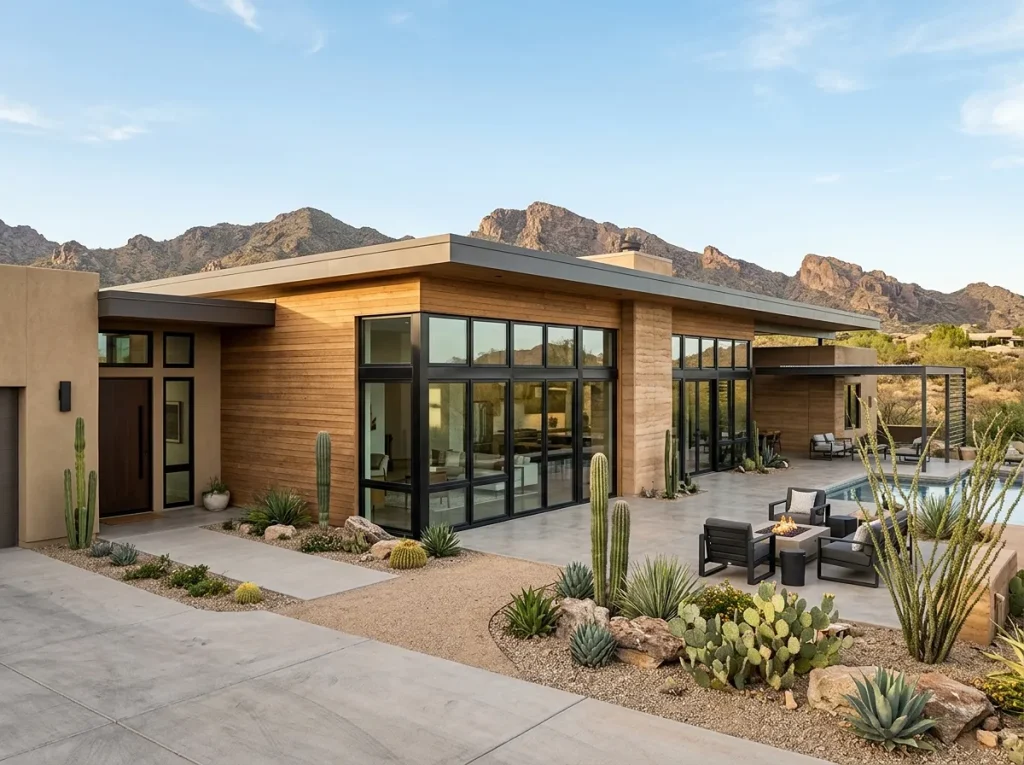
Table of Contents
- Key Takeaways / Quick Summary
- Flush Casement Windows: The Modern Classic
- Black Is the New Black: Color Trends for Casement Windows
- Pair Casements with Picture Windows for Maximum Impact
- Placement Strategies: Maximizing Light, Views, and Airflow
- Room-by-Room Design Ideas
- French Casement Windows: Double the Drama
- Slimmer Frames, Bigger Views
- Cottage Style: Classic Charm with Casements
- Energy-Efficient Design for Arizona Homes
- The Regrets Homeowners Mention Most
- Frequently Asked Questions
- Why Choose Windowz4Less Arizona?
- Your Next Step: Bring Your Design Vision to Life
Key Takeaways / Quick Summary
- Flush casement windows are the biggest design trend right now—they sit perfectly level with the frame for a sleek, minimalist look
- Pair casements with picture windows to create stunning focal points with unobstructed views and balanced ventilation
- Black and anthracite grey frames are replacing white as the go-to modern exterior finish
- Placement matters—east-facing windows bring morning light, west-facing windows capture golden afternoon glow
- Casements are ideal over kitchen sinks because the crank makes them easy to open even in hard-to-reach spots
- Floor-to-ceiling casement windows maximize natural light and create a seamless indoor-outdoor connection
- French casement windows open from the center like doors, adding drama and a touch of European elegance
Flush Casement Windows: The Modern Classic
Let’s start with the hottest trend in casement window design right now: flush casement windows.
For years, standard casement windows with overlapping sashes were the norm. But homeowners are increasingly gravitating toward the sleek, understated elegance of flush casements. When closed, the sash of a flush casement window sits perfectly level with the outer frame—creating a smooth, flat, minimalist appearance.
Why does this matter? Flush casements offer a clean, refined look that works beautifully on both contemporary new builds and period properties. They let the architecture of your home take center stage rather than the window hardware. If you want your home to look modern, polished, and intentional, flush casements are the way to go.
Design tip: Flush casements pair exceptionally well with natural wood finishes or bold, modern paint colors. The clean lines allow the frame color to really pop.
Black Is the New Black: Color Trends for Casement Windows
White has long been the default window color. But in 2026, that’s changing.
Black casement windows are having a major moment. They create a striking contrast against lighter exteriors and add a dose of modern sophistication. In a recent luxury home project, black wood casement windows with aluminum-clad exteriors were used throughout to create expansive walls of glass while maintaining a clean-lined appearance.
Beyond black, anthracite grey remains one of the most requested finishes for casement windows. It offers a sophisticated, modern look that pairs well with contemporary architecture. For heritage and cottage-style homes, agate grey and Chartwell green are gaining popularity.
Design tip: If you’re unsure about committing to a bold color, consider black or anthracite grey for the exterior and a warm wood or neutral finish for the interior. Many manufacturers offer dual-finish options that let you have the best of both worlds.
Pair Casements with Picture Windows for Maximum Impact
One of the most striking design strategies is to pair casement windows with picture windows.
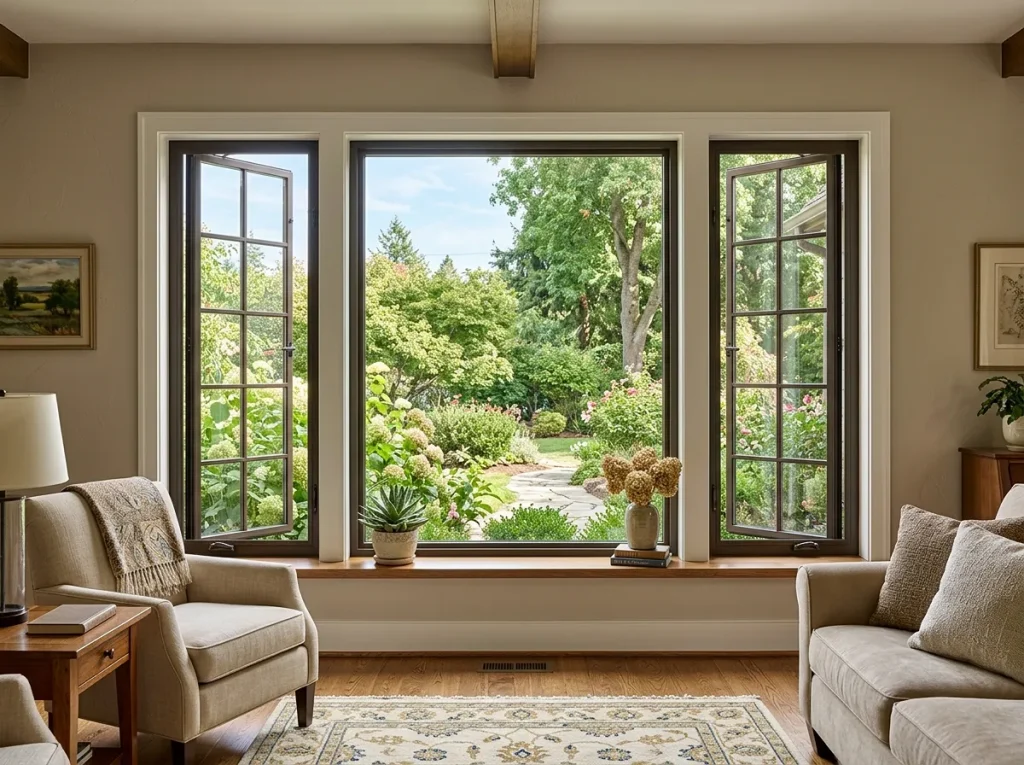
A picture window—a large, fixed pane of glass—provides an unobstructed view of the outdoors. When you flank it with operable casement windows on either side, you get the best of both worlds: breathtaking views + ventilation.
This combination creates a balanced, symmetrical look that works beautifully in living rooms, dining rooms, and master bedrooms. The picture window becomes the focal point, while the casements add functionality without disrupting the clean sightlines.
Several window groupings combined picture windows with flanking casements to create wider openings while preserving symmetry across the exterior elevations.
Design tip: In Arizona, where outdoor views of mountains, desert landscapes, or city skylines are a premium, this combination is a game-changer. The large picture window frames the view like artwork, while the casements let you enjoy fresh air when the weather allows.
Placement Strategies: Maximizing Light, Views, and Airflow
Where you place your casement windows matters just as much as what they look like. Thoughtful placement can completely transform a room.
Natural Light
- East-facing walls ensure a sunlit start to the day
- West-facing options bathe rooms in warm, golden light during the afternoon
- Mullion-free casement windows allow more direct sunlight—perfect for smaller or darker rooms
Ventilation
- Place casement windows on prevailing wind-facing walls for natural cooling
- Pair windows on opposite walls to create cross-ventilation and a flow of fresh air
- Install in high-moisture areas like bathrooms and kitchens to quickly release heat, steam, and odors
Framing Views
- Living rooms: Position large casement windows facing your backyard or install a centered window that highlights a garden fountain for a natural focal point
- Bedrooms: Frame calming views such as treetops or the horizon to create a sense of tranquility
Room-by-Room Design Ideas
Kitchen: Casement Windows Over the Sink
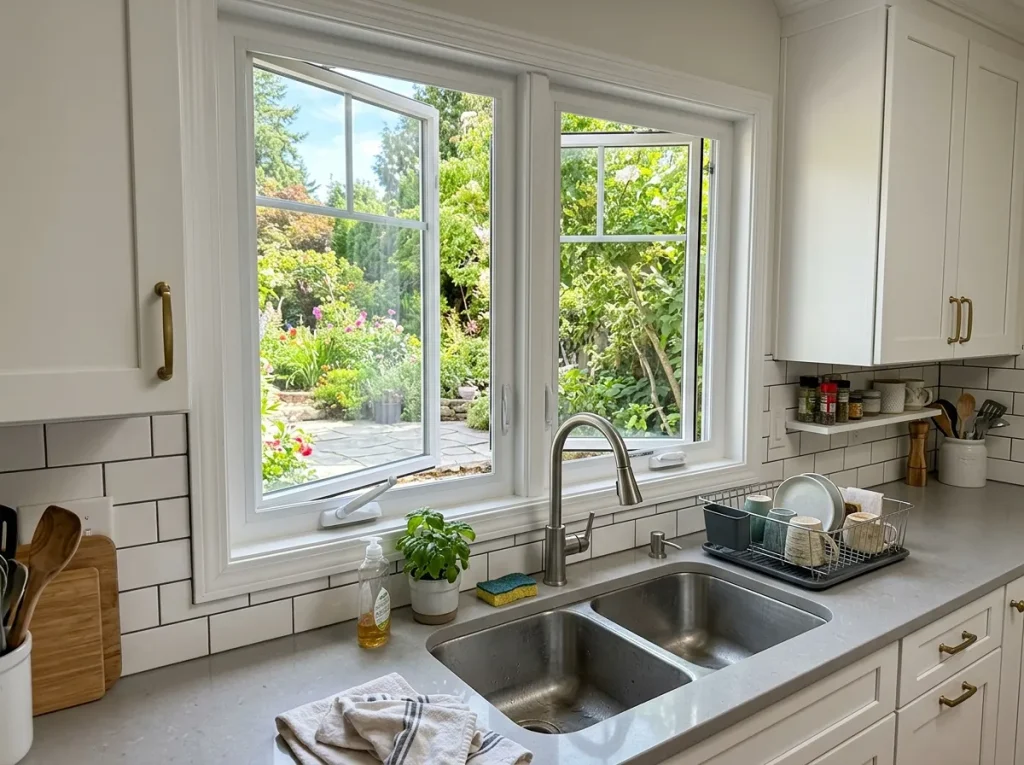
The kitchen is the heart of the home, and casement windows are a natural fit—especially over the sink. Traditional double-hung or sliding windows can be awkward to open when your sink sits beneath a deep countertop. Casement windows solve this with a simple crank handle that’s easy to reach and operate.
Design ideas for kitchen casements:
- Double casement windows to fill wider openings and create symmetry over your sink
- Add divided-lite grilles or a French casement style for a touch of charm
- Match with fixed picture windows or transoms to flood the room with even more natural light
- Choose vinyl or fiberglass for easy maintenance and moisture resistance
Real-world inspiration: In a Scottsdale home, a set of three casement windows framed the prep sink, filling the kitchen with natural light while being easy to open even in the hard-to-reach spot over the sink.
Bathroom: Superior Airflow and Privacy
A well-designed bathroom window balances privacy, light, and ventilation—and casement windows check all three boxes. They open wide to release humid air quickly, making them excellent for bathroom ventilation.
Design ideas for bathroom casements:
- Install higher on the wall for privacy without sacrificing airflow
- Choose obscure or frosted glass to let in light while maintaining discretion
- Consider smaller single casements that hinge outward at the top to protect from rain while ventilating
- Combine with a vent fan for complete moisture control
Real-world inspiration: In one renovation, a 48-inch-long casement window was installed high along the wall beside the tub, providing ventilation and light without compromising privacy.
Living Room: Floor-to-Ceiling Drama
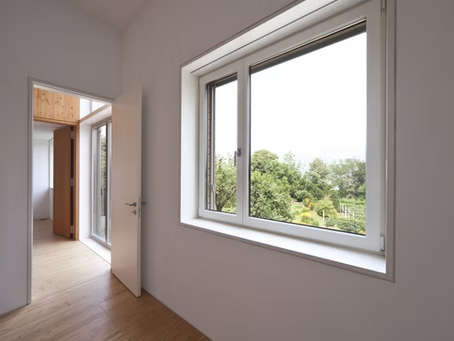
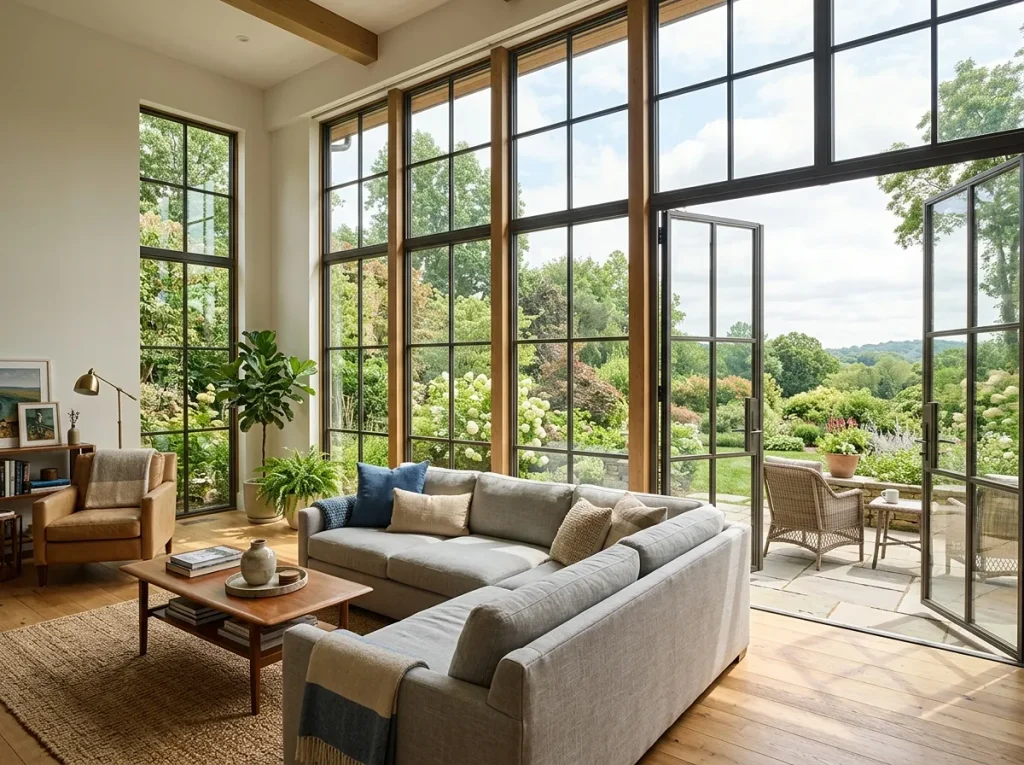
Casement windows can be the star of your living room. Floor-to-ceiling casement windows create a dramatic, light-filled space that feels open and connected to the outdoors.
Design ideas for living room casements:
- Slimmer frames maximize natural light and expansive views
- Vertically oriented casements emphasize ceiling height
- Combine with picture windows for a stunning focal wall
- Treat the window as a living picture frame overlooking a garden, skyline, or architectural feature
Real-world inspiration: In an Oregon home, eight-foot casement picture windows helped fill a room with natural light, creating a space that was easy to love and hard to leave.
Bedroom: Tranquility and Views
Bedrooms should feel calm and restful. Casement windows help create that atmosphere with clear, unobstructed views and superior airflow.
Design ideas for bedroom casements:
- Frame calming views such as treetops or the horizon
- Keep lighting softer with strategically smaller windows or by pairing them with sheer curtains
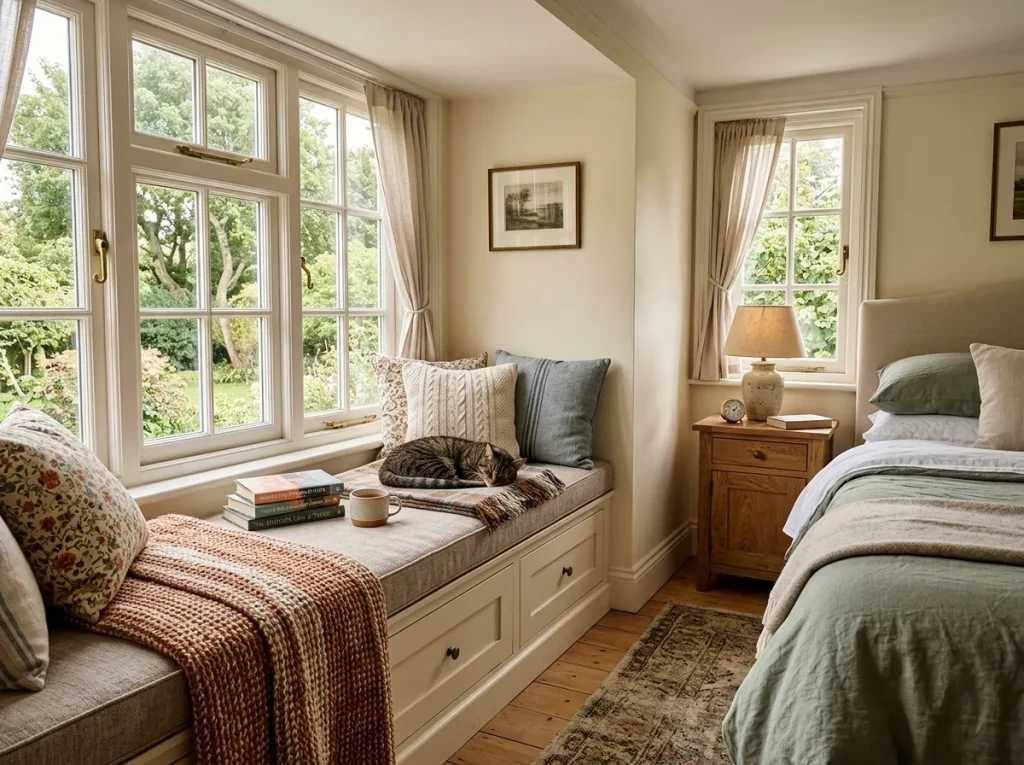
- Consider a window seat beneath a large casement for a cozy reading nook
- Use simple framework for a clean, streamlined appearance
Design tip: Casement windows seal tightly against the frame when closed, offering superior energy efficiency that helps keep bedrooms comfortable year-round.
French Casement Windows: Double the Drama
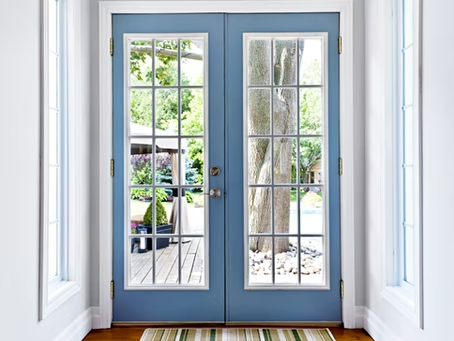
If you want to make a statement, consider French casement windows. These feature two frames with glass panes that open outward from the center, meeting in the middle when closed.
They’re like French doors for your windows—dramatic, elegant, and perfect for large openings. Modern French casement windows merge traditional aesthetics with contemporary functionality, offering the best of both worlds.
Design ideas for French casements:
- Fill wide openings over kitchen sinks or in living rooms
- Frame a set of French casements between two tall fixed panes for symmetry
- Use in combination walls with picture or bay windows for a striking architectural feature
Slimmer Frames, Bigger Views
Another major trend in casement window design is the desire for slimmer frames. Homeowners want to maximize natural light and create a feeling of openness. Thinner frames allow for larger expanses of glass, which in turn brings more light into living spaces and offers expansive views.
Design tip: Modern casement windows can achieve remarkably slim profiles without compromising structural integrity. This is especially beneficial for floor-to-ceiling installations in sunrooms or rooms with a view.
Cottage Style: Classic Charm with Casements
Casement windows aren’t just for modern homes. They’re also a perfect fit for cottage-style and traditional homes.
Design ideas for cottage casements:
- White-painted wood casements with thick wooden frames create an instant cottage look
- Add flower boxes underneath to complete the storybook appearance
- Arched top casements add romantic appeal to bedrooms and living spaces
- Choose creamy white or soft ivory for a warm, nostalgic feel
Energy-Efficient Design for Arizona Homes
In Arizona, design isn’t just about looks—it’s about performance. The sun, heat, and dust take a toll on your home’s exterior. When designing with casement windows, keep these Arizona-specific considerations in mind:
- Dual-pane or triple-pane glass for insulation
- Low-E coatings designed for desert climates
- Argon gas insulation to reduce heat transfer
- Heat-resistant vinyl or fiberglass frames
Casement windows also rank among the best window styles for curb appeal in Arizona, offering sleek lines and great ventilation.
The Regrets Homeowners Mention Most
After years of helping Arizona homeowners design with casement windows, here are the most common regrets:
Mistake 1: Not considering exterior clearance
Casement windows swing outward. If you install them near walkways, patios, or landscaping, you might not be able to open them fully. Always check what’s outside.
Mistake 2: Choosing form over function
That sleek black frame looks amazing, but if it’s not paired with the right glass package for Arizona’s heat, you’ll regret it come July. Prioritize energy performance alongside aesthetics.
Mistake 3: Forgetting about screens
Casement windows typically have interior screens. Make sure you’re comfortable with the look and function before you commit.
Mistake 4: Not thinking about window treatments
Crank handles and inward-opening screens can make blinds and shades tricky. Plan your window treatments early.
Mistake 5: Going too small
Casement windows offer unobstructed views—take advantage of that. Don’t undersize them. Bigger windows mean more light, better views, and greater ventilation.
Frequently Asked Questions
What are flush casement windows?
Flush casement windows sit perfectly level with the outer frame when closed, creating a smooth, flat, minimalist appearance. They’re one of the biggest design trends in windows right now.
What color casement windows are trending?
Black and anthracite grey are the most popular finishes for casement windows in 2026. For heritage homes, agate grey and Chartwell green are also gaining popularity.
Can I pair casement windows with other window styles?
Yes! Picture windows flanked by casements is a classic combination that provides both views and ventilation. You can also pair casements with bay windows, transoms, or awning windows.
Where should I place casement windows for the best light?
East-facing walls capture morning light, while west-facing walls bring in warm afternoon light. Consider the room’s purpose when choosing placement.
Are casement windows good for kitchens?
Yes—they’re ideal over kitchen sinks because the crank makes them easy to open even in hard-to-reach spots. They also provide excellent ventilation for releasing heat and cooking odors.
What are French casement windows?
French casement windows have two sashes that open outward from the center, meeting in the middle when closed. They create a wide, unobstructed opening and add a touch of European elegance.
Do casement windows work in traditional homes?
Yes. White-painted wood casements with thick frames are a classic choice for cottage and traditional homes. Arched top casements and windows with leaded glass also add old-world charm.
What window treatments work with casement windows?
Because casement windows crank outward and have interior screens, you’ll want window treatments that don’t interfere with the hardware. Roman shades, roller shades, and cellular shades are popular choices. Plan your window treatments early to avoid conflicts.
Why Choose Windowz4Less Arizona?
Whether you’re designing a modern masterpiece or a cozy cottage, the right casement windows can transform your home. But great design starts with great installation.
Windowz4Less Arizona understands that beautiful windows are only half the equation. The other half is expert installation.
- Local expertise — We know Arizona’s unique climate and install windows that perform in extreme heat
- Professional installation — Our team is trained, insured, and follows industry best practices
- Quality products — We offer a range of casement window styles and finishes to match your design vision
- Transparent pricing — No hidden fees, no surprises
- Free estimates — No-obligation quotes with honest, straightforward advice
- Serving Mesa, Phoenix, and surrounding areas — We’re your local experts
Your Next Step: Bring Your Design Vision to Life
Your casement windows should be as beautiful as they are functional. With the right design choices—from flush frames to bold colors, thoughtful placement to perfect pairings—they can transform every room in your home.
Contact Windowz4Less Arizona today for a free, no-obligation estimate. We’ll help you choose the right casement windows for your design vision and provide professional casement window installation you can trust.