You’re standing in your living room on a scorching Arizona afternoon. The AC is running full blast. And you can feel heat radiating from your windows like a radiator.
It makes you wonder: Could different windows make a difference?
Here’s the honest answer: yes—casement windows are among the most energy-efficient window styles available. When closed, they create an airtight seal that significantly outperforms sliding and double-hung windows. In fact, aside from picture windows that don’t open at all, casements are the most efficient operable window style on the market.
In this guide, we’ll explain exactly why casement windows are so energy efficient, how they compare to other styles, what features to look for, and why they’re particularly well-suited for Arizona homes.
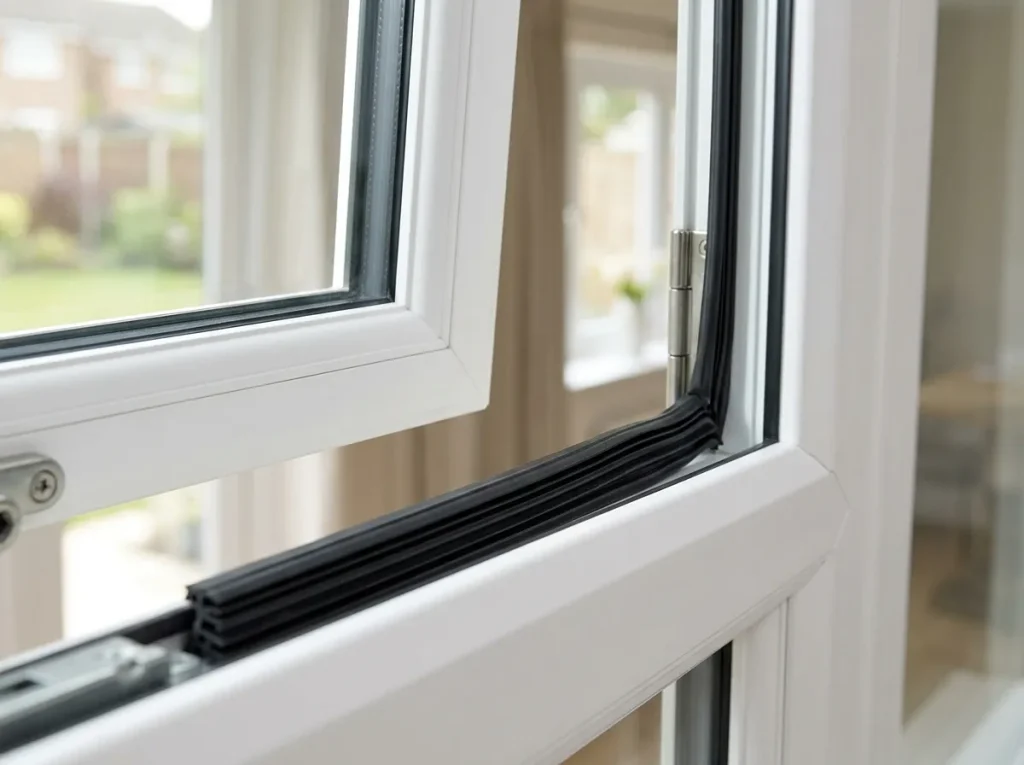
Table of Contents
Why Casement Windows Are So Energy Efficient
Casement Windows vs. Other Styles: Energy Efficiency Comparison
What Makes a Casement Window Energy Efficient? Key Features to Look For
The Science Behind the Savings
Casement Windows in Arizona: Why They Make Sense
Real-World Conditions: The “If/Then” Guide
The Regrets Homeowners Mention Most
Key Takeaways / Quick Summary
- Casement windows are the most energy-efficient operable window style—only fixed picture windows perform better
- Their compression seal creates a tight barrier on all four sides, virtually eliminating air leakage
- Casement windows deliver 5–15% better thermal performance than equivalent double-hung windows
- They can reduce HVAC energy use by maintaining consistent indoor temperatures and reducing strain on your system
- ENERGY STAR-certified casement windows can lower household energy bills by an average of 12%
- Key efficiency features include Low-E glass, argon/krypton gas fill, double or triple glazing, and warm-edge spacers
- In Arizona’s extreme heat, casement windows’ tight seal helps keep cool air in and hot air out
- The crank mechanism requires periodic maintenance, but the energy savings typically outweigh the upkeep
Why Casement Windows Are So Energy Efficient
Here’s the thing that sets casement windows apart: the seal.
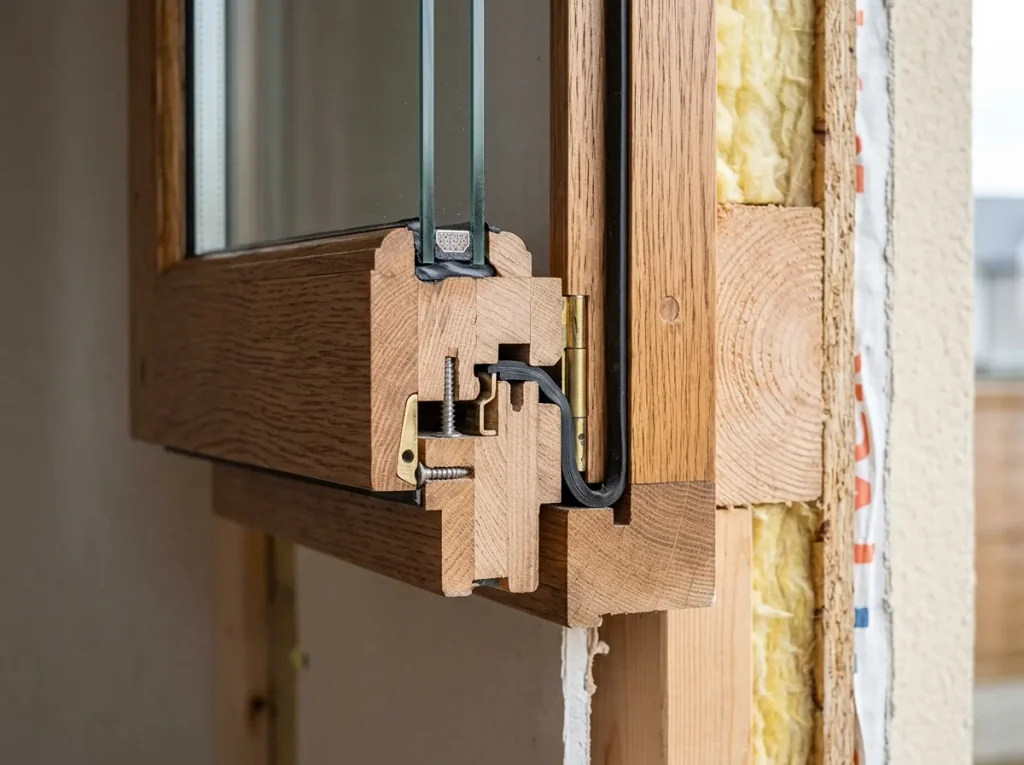
Unlike sliding or double-hung windows, which rely on overlapping sashes and friction seals, a casement window’s single sash presses directly into the frame when closed. The locking mechanism pulls the sash tight against the weatherstripping, creating a continuous, uninterrupted seal around all four edges.
This virtually eliminates air infiltration. And air infiltration is the enemy of energy efficiency—it’s how heat gets in during summer and escapes during winter.
Casement windows achieve this superior seal because of their hinge-mounted operation. The sash swings outward like a door, and the locking mechanism literally pulls it tighter into the frame as you close it. This compression seal is fundamentally different from the friction seal used in sliding windows, which relies on weatherstripping that can wear out over time.
The result: Less heat transfer. More consistent indoor temperatures. Lower energy bills.
Casement Windows vs. Other Styles: Energy Efficiency Comparison
Let’s be direct about how casement windows stack up against the competition.
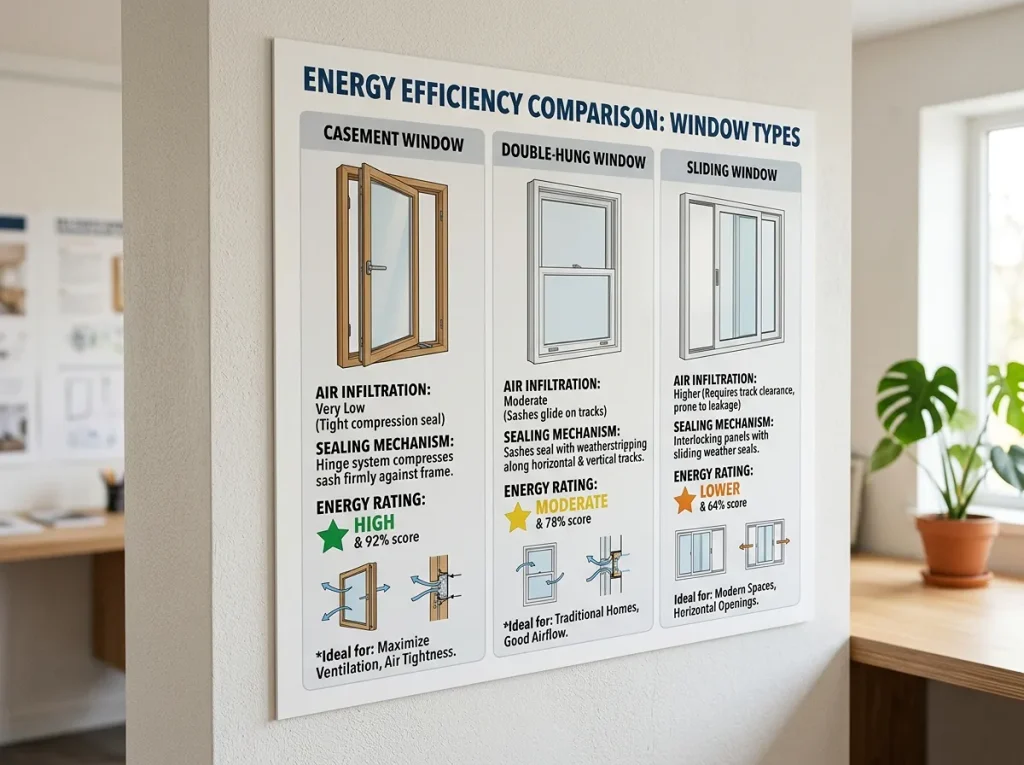
| Feature | Casement Windows | Double-Hung Windows | Sliding Windows |
| Seal Type | Compression seal (4 sides) | Friction seal | Friction seal |
| Air Leakage | Virtually zero | Higher—more moving parts | Higher—tracks allow airflow |
| Energy Efficiency | Superior | Good | Good |
| Thermal Performance | 5–15% better | Baseline | Similar to double-hung |
| Ventilation | 100% opens | ~50% opens | ~50% opens |
| ENERGY STAR Potential | Tier 2–3 ratings | Tier 1–2 ratings | Tier 1–2 ratings |
Casement vs. Double-Hung
Double-hung windows are more popular, but less energy efficient. Why? They have more moving parts and seams where air can leak through. The sashes slide past each other, and the meeting rail in the middle is a common point of air infiltration.
Casement windows, by contrast, seal on all four sides with a single, continuous compression seal. This is why they typically deliver 5–15% better thermal performance than an equivalent double-hung window from the same manufacturer.
According to Lowe’s, when closed, casement windows “seal tightly so that little to no air flows from the outside into the room and vice versa. This tight seal can significantly affect energy savings, especially in extreme climates.”
Casement vs. Sliding
The difference here is even more pronounced. Sliding windows use a friction seal that relies on weatherstripping along the track. Over time, this weatherstripping wears out, allowing air to leak through.
Casement windows, with their compression seal, don’t have this problem. The sash presses directly against the frame, creating a seal that doesn’t degrade as quickly. For this reason, casement windows are typically more energy efficient than sliders.
What Makes a Casement Window Energy Efficient? Key Features to Look For
Not all casement windows are created equal. Here’s what to look for to maximize energy efficiency:
1. Double or Triple Glazing
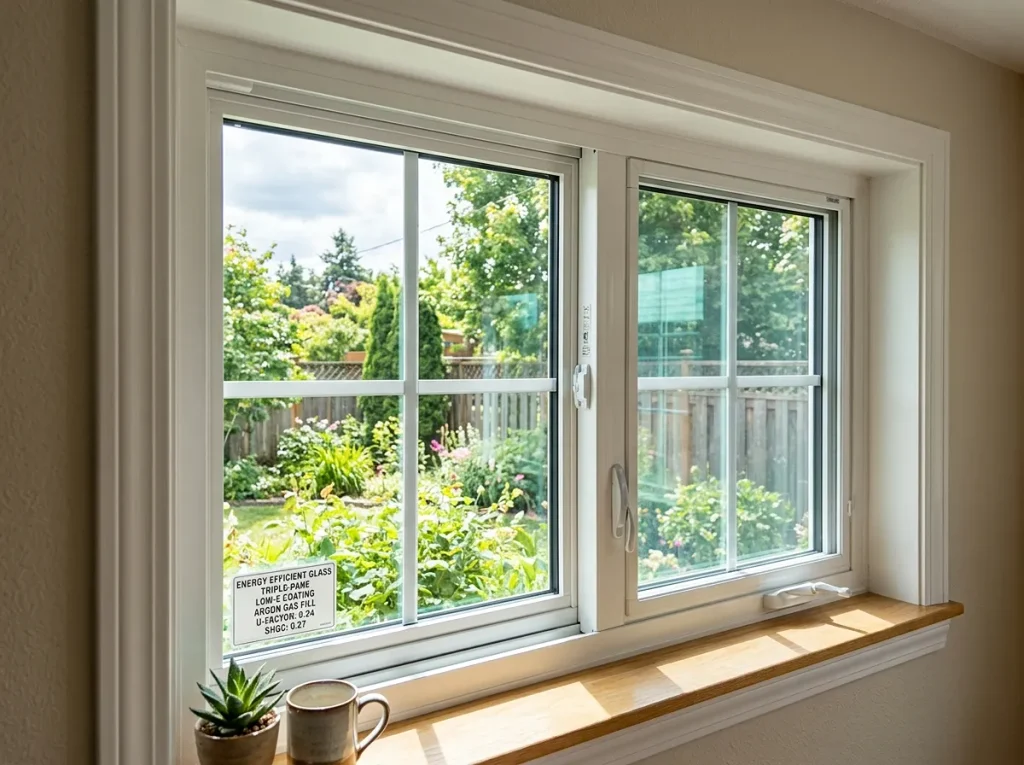
Glass is a very poor insulator. Single-pane windows are notorious for wasting energy. Double glazing (two panes) or triple glazing (three panes) dramatically improves insulation by creating air spaces between each pane.
What to look for: At minimum, double-pane glass. For maximum efficiency in Arizona’s extreme climate, triple-pane may be worth the investment.
2. Low-E Glass Coating
Low-emissivity (Low-E) glass has a microscopically thin metal coating that reflects heat back to its source. In summer, it reflects solar heat back outside. In winter, it reflects interior heat back inside. It also blocks UV rays to protect your furnishings from fading.
What to look for: Low-E 366 or similar coatings designed for hot climates. These offer the best solar heat reduction.
3. Argon or Krypton Gas Fill
The air space between glass panes can be filled with inert gas instead of air. Argon and krypton are denser than air, meaning they more effectively slow heat transfer.
What to look for: Argon gas fill as standard. Krypton offers even better performance but at a higher cost.
4. Warm-Edge Spacers
All multi-pane windows require spacers to keep the panes at a set distance. Warm-edge spacers are made from low-conductivity materials that reduce heat transfer around the window’s perimeter.
What to look for: Warm-edge spacer technology specified in the product details.
5. Efficient Frame Material
The frame material also impacts efficiency. Vinyl and fiberglass are excellent insulators. Wood is naturally insulating but requires maintenance. Aluminum conducts heat unless it has a thermal break.
What to look for: Multi-chambered vinyl or fiberglass frames with thermal breaks for maximum insulation.
6. ENERGY STAR Certification
Look for the ENERGY STAR label. It’s your guarantee that the window meets strict performance criteria. Some casement windows boast up to 22% improved energy efficiency over standard models.
The Science Behind the Savings
Here’s what the numbers actually mean for your home.
Reduced air infiltration is the biggest factor. When your windows leak air, your HVAC system has to work harder to maintain the temperature you want. This is especially true in Arizona, where the temperature difference between indoors and outdoors can be 40°F or more.
According to the U.S. Department of Energy, windows account for 25–30% of residential heating and cooling energy use. Casement windows’ superior sealing directly addresses this problem.
By reducing air leakage, casement windows help maintain consistent indoor temperatures, which reduces the strain on your HVAC system. Less strain means lower energy consumption. Lower consumption means lower bills. And lower bills mean money back in your pocket—month after month, year after year.
ENERGY STAR-certified windows lower household energy bills by an average of 12%. For a typical Arizona home with energy bills in the $200–$400 range during summer, that’s $24–$48 saved per month—or $288–$576 annually.
Casement Windows in Arizona: Why They Make Sense
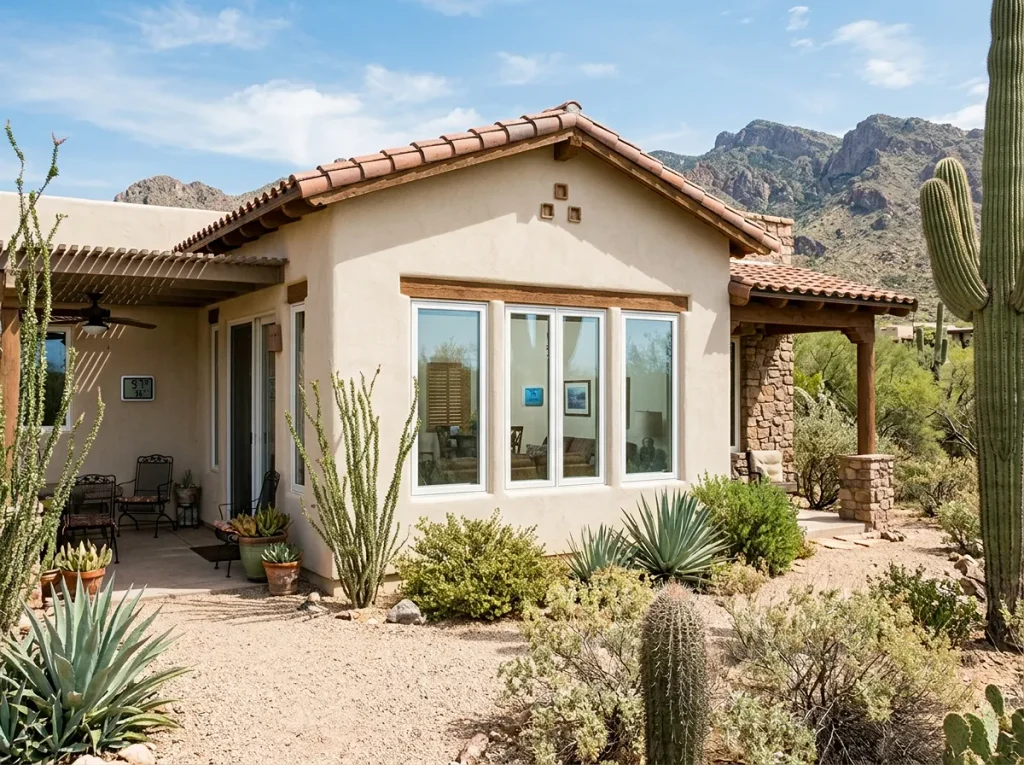
Arizona’s climate is uniquely challenging for windows. Here’s why casement windows are particularly well-suited for our state:
Extreme heat: The tight seal keeps cool air in and hot air out. This is critical when outdoor temperatures regularly exceed 110°F.
Intense sun: When paired with Low-E glass and low Solar Heat Gain Coefficient (SHGC) ratings, casement windows can block a significant portion of solar heat. Some casement windows reduce heat gain by up to 64% and block 95% of UV rays.
Dust and allergens: The compression seal also keeps out dust, pollen, and other airborne particles—a significant benefit in Arizona’s dusty environment.
Ventilation when you want it: During milder seasons, casement windows open fully to allow maximum airflow. This enables homeowners to rely less on air conditioning in spring and fall.
Real-World Conditions: The “If/Then” Guide
Here’s how casement windows fit your specific situation:
If energy efficiency is your top priority → Then choose casement windows with triple glazing, Low-E 366 glass, argon gas fill, and ENERGY STAR certification. This combination delivers maximum thermal performance.
If you’re in a hot climate like Arizona → Then prioritize low SHGC (Solar Heat Gain Coefficient) ratings—ideally 0.25 or lower. This minimizes solar heat gain during summer.
If you’re on a budget → Then choose double-pane casement windows with Low-E coating and argon gas fill. This delivers excellent efficiency at a more accessible price point.
If you have west-facing windows → Then invest in the best solar control glass you can afford. West-facing windows get the most intense afternoon sun.
If you’re replacing single-pane windows → Then the energy savings from upgrading to casement windows will be dramatic. You could see energy bill reductions of 20–30% or more.
If you’re building new construction → Then casement windows are an excellent choice for meeting or exceeding energy code requirements.
If you have hard-to-reach locations (above a kitchen sink, behind a counter) → Then casement windows offer both energy efficiency and one-handed operation with the crank mechanism.
The Regrets Homeowners Mention Most
After years of helping Arizona homeowners choose energy-efficient windows, here are the most common regrets:
Mistake 1: Prioritizing upfront cost over long-term savings
A cheaper window saves you money today but costs you more in energy bills every month for the next 20–30 years. The energy savings from casement windows typically recoup the premium within a few years.
Mistake 2: Not checking the glass package
Some homeowners focus on the window style and ignore the glass. But the glass is where the energy efficiency happens. Low-E coating, gas fill, and the number of panes matter more than the frame material.
Mistake 3: Forgetting about solar heat gain
In Arizona, Solar Heat Gain Coefficient (SHGC) is actually more important than U-factor. A window with great insulation but poor SHGC will still let in too much heat. Look for SHGC of 0.25 or lower.
Mistake 4: Not verifying ENERGY STAR certification
Not all windows labeled “energy efficient” actually meet ENERGY STAR standards. Always look for the label.
Mistake 5: Choosing the wrong frame material
In Arizona’s heat, vinyl and fiberglass outperform aluminum (without thermal breaks). Aluminum conducts heat and can make your home hotter.
Frequently Asked Questions
Are casement windows energy efficient?
Yes—they’re among the most energy-efficient operable window styles available. Their compression seal virtually eliminates air infiltration, outperforming double-hung and sliding windows.
Are casement windows more energy efficient than double-hung?
Yes. Casement windows typically deliver 5–15% better thermal performance than equivalent double-hung windows. The compression seal on all four sides creates a tighter barrier against air leakage.
What makes casement windows energy efficient?
Their compression seal—the sash presses directly into the frame when closed, creating a continuous, airtight barrier. This, combined with features like Low-E glass, argon gas fill, and double or triple glazing, maximizes efficiency.
Do casement windows save money on energy bills?
Yes. ENERGY STAR-certified casement windows lower household energy bills by an average of 12%. In Arizona’s extreme climate, the savings can be even higher due to reduced cooling costs.
What’s the best glass for energy-efficient casement windows in Arizona?
Look for Low-E 366 glass (or similar solar control coating) with argon gas fill and a Solar Heat Gain Coefficient (SHGC) of 0.25 or lower. Double or triple glazing is also essential.
Do casement windows qualify for ENERGY STAR?
Yes. Many casement windows are ENERGY STAR certified, with some models achieving up to 22% improved energy efficiency. Check the ENERGY STAR Product Finder for certified models.
Are casement windows good for hot climates like Arizona?
Yes—their tight seal keeps cool air in and hot air out, reducing cooling costs. Combined with Low-E glass and low SHGC, they can block up to 64% of solar heat gain.
Do casement windows require more maintenance than other windows?
The crank mechanism requires periodic lubrication and occasional adjustment. However, the energy savings typically outweigh the maintenance requirements.
Can casement windows help with indoor air quality?
Yes—when open, casement windows provide 100% ventilation, allowing maximum fresh air circulation. When closed, their tight seal keeps out dust, pollen, and outdoor pollutants.
Why Choose Windowz4Less Arizona?
Windowz4Less Arizona understands that energy efficiency isn’t a luxury—it’s a necessity in our climate.
- Local expertise — We know Arizona’s unique climate and recommend windows that perform in extreme heat
- Quality products — We offer energy-efficient casement windows from leading manufacturers with the features that matter
- Professional installation — Proper installation is critical for energy efficiency. Our team is trained, insured, and follows industry best practices
- Transparent pricing — No hidden fees, no surprises
- ENERGY STAR certified options — We help you choose windows that qualify for tax credits and utility rebates
- Serving Mesa, Phoenix, and surrounding areas — We’re your local experts
Whether you’re exploring casement-style windows or ready to book, we’re here to help.
Your Next Step: Start Saving Energy Today
Energy-efficient casement windows are an investment in your home’s comfort and your family’s budget. The sooner you upgrade, the sooner you start saving.
Contact Windowz4Less Arizona today for a free, no-obligation estimate. We’ll help you choose the right energy-efficient windows for your Arizona home.