You’ve decided to replace your windows. Now you have questions. Lots of them.
How much will it cost? How long will it take? Do I need a permit? Can I do it myself? What if something goes wrong?
Here’s the honest answer: these are all normal questions, and you deserve straight answers. Window installation is a significant investment, and going in with clear expectations makes all the difference.
In this FAQ guide, we’ve collected the most common questions homeowners ask about window installation—and answered them clearly and directly. Whether you’re just starting your research or you’re ready to book your installation, this guide has you covered.

Table of Content
Key Takeaways / Quick Summary
Frequently Asked Questions
Why Choose Windowz4Less Arizona?
Your Next Step: Get Your Questions Answered in Person
Key Takeaways / Quick Summary
- Most standard windows take 30–60 minutes to install; a full home (10–15 windows) typically takes 1–2 days
- Average window replacement costs 400–1,000 per window installed, depending on size, material, and complexity
- ENERGY STAR certified windows lower household energy bills by an average of 12%
- Professional installation achieves 95–98% of a window’s energy efficiency rating; DIY averages only 82%
- Most manufacturer warranties require professional installation—DIY typically voids coverage
- Like-for-like window replacements often don’t require a permit, but always check local codes
- Custom window orders typically take 4–8 weeks for delivery before installation can begin
Frequently Asked Questions
1. How long does window installation take?
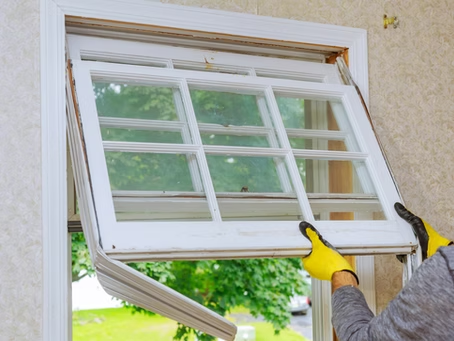
A standard replacement window takes about 30–60 minutes to install, including removal of the old window, prep work, and installation of the new one. Full-frame replacements—where the entire existing frame is removed down to the rough opening—can take 60 minutes or more per window.
For a typical home with 10–15 windows, a professional crew can complete the entire project in 1–2 days. A skilled two-person crew can install about eight windows in a full working day. More complex projects—like multi-story homes, custom windows, or homes with difficult access—may take 2–3 days.
Keep in mind that this is just the installation timeline. If you’re ordering custom windows, expect a lead time of 4–8 weeks for manufacturing and delivery before installation can begin.
2. How much does window replacement cost?
The average cost to replace a window in 2025 ranges from $400 to $1,000 per window, including materials and professional installation. Most sources place the average installed cost at roughly $600 to $750 per window.
Here’s a general breakdown by window type:
| Window Type | Cost Range (Installed) |
| Basic Vinyl Windows | $300 – $700 |
| Mid-Range Windows | $500 – $1,000 |
| Premium Windows | $800 – $2,000+ |
The total cost for a full home replacement depends on the number of windows. The average cost to replace a set of windows is cited as 7,358**,withmosthomeownerspayingbetween**3,443 and $11,837.
Factors that affect price include window size, frame material, glass type, installation complexity, and your location.
3. Do I need a permit to replace my windows?
It depends on where you live and the scope of your project.
In many areas, like-for-like window replacements—where you’re replacing an existing window with one of the same size and configuration—do not require a permit. However, if you’re installing brand-new windows where your home didn’t have any before, or if you’re changing the size or location of existing windows, you almost certainly need a permit.
Some cities, like San Francisco, require a building permit for ALL types of window replacement. Projects involving basement windows intended for emergency egress almost always require a permit and inspection to ensure compliance with safety size requirements.
The safest approach: Always check with your local building department before starting any window replacement project. Your professional installer should be familiar with local requirements and can often handle the permit process for you.
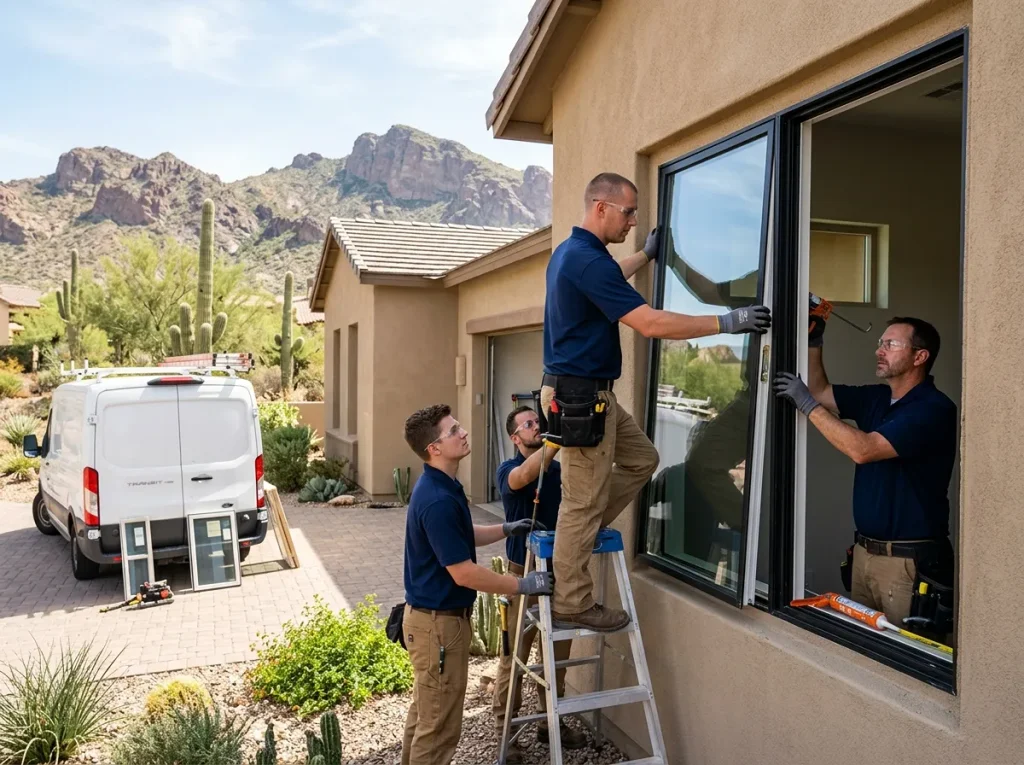
4. Can I install windows myself?
You can—but you probably shouldn’t.
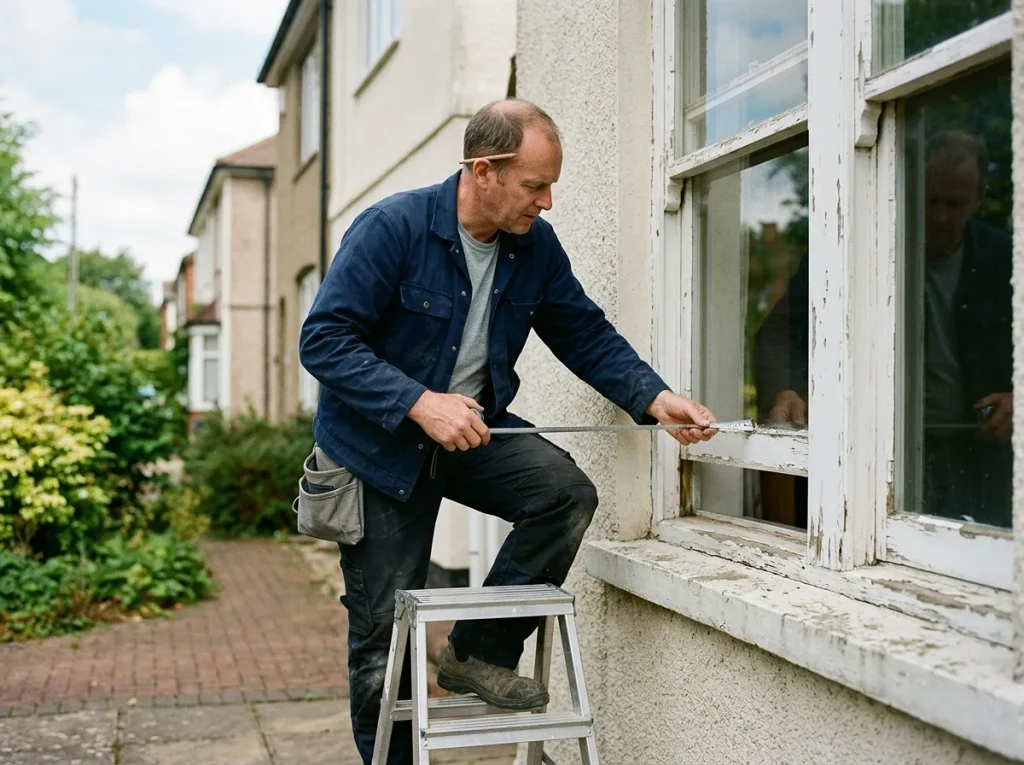
Here’s the thing: improper installation is the leading cause of window failure. Over 70% of DIY window installations experience issues within the first five years. The most common and costly mistake is incorrect measuring, followed by poor frame preparation, ignoring manufacturer instructions, inadequate sealing and insulation, and neglecting to check for level and plumb.
Even the best windows will perform poorly if installed incorrectly. Professional installation typically achieves 95–98% of a window’s stated energy efficiency rating, while DIY installation averages only 82%. That difference shows up on your energy bills every month.
Most manufacturer warranties require professional installation to remain valid. DIY installation typically voids the warranty, leaving you responsible for all repairs if something goes wrong.
Unless you have significant experience with window installation and the right tools, leave it to the professionals. Check out our guide on common window installation mistakes to understand what can go wrong.
5. What does a window warranty cover?
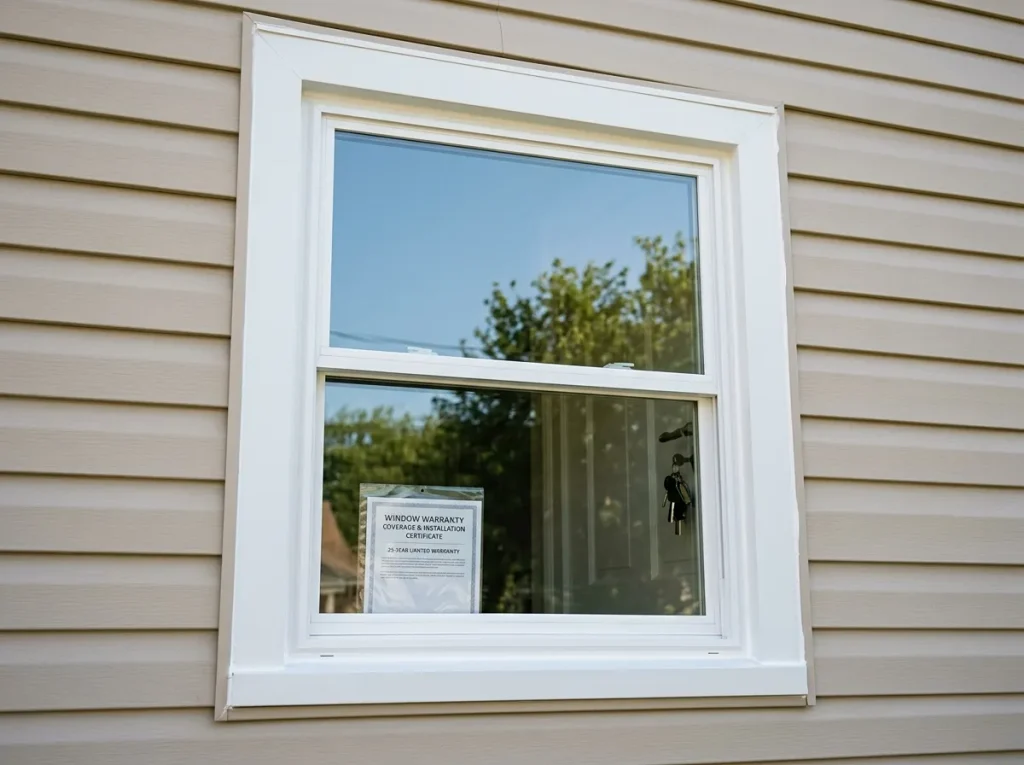
A good window warranty actually covers two separate things:
1. Manufacturer’s Product Warranty — Covers defects in the window itself: the glass, the frame, the hardware, and the components. A strong warranty should cover glass, frame materials, and hardware components. Coverage periods vary—some vinyl windows have a limited lifetime warranty, while wood windows are often covered for up to 10 years for non-glass parts.
2. Labor/Installation Warranty — Covers the workmanship from the installer. If your window starts leaking a year later because it wasn’t sealed correctly, the labor warranty ensures the installer comes back to fix it at no cost to you. Some companies offer warranties on professional installation.
What to watch for: Most manufacturer warranties require professional installation to remain valid. Always get both warranties in writing before you sign any contract. For a deeper dive, check out our detailed guide on window installation warranties.
6. What’s the difference between retrofit and full-frame installation?
This is one of the most common points of confusion.
Retrofit (or insert) installation fits new windows into your existing window frames. The old sashes and hardware are removed, but the existing frame stays in place. This is faster, less expensive, and less disruptive.
Full-frame installation removes the entire existing window—frame, trim, and all—down to the rough opening in the wall. This allows for inspection and repair of the underlying structure, proper waterproofing, and a completely fresh start. It takes longer and costs more, but it’s necessary if your existing frame is damaged, rotted, or out of square.
Your installer can help you determine which approach is right for your home based on the condition of your existing windows and your budget.
7. When is the best time of year to install windows?
Spring and fall are generally ideal for window replacement due to milder weather. Moderate temperatures make it easier for sealants and caulking to cure properly, and installers can work more comfortably.
However, professional installers can work year-round with proper precautions. In Arizona, winter months can actually be a great time for window replacement—the weather is mild, and you’re not dealing with the extreme summer heat that makes installation more challenging.
The key factor isn’t the season—it’s choosing a professional installer who knows how to handle the conditions. If you’re ready to replace your windows, don’t wait for the “perfect” season. The sooner you upgrade, the sooner you start saving on energy bills.
8. How do I know if my windows were installed correctly?
After installation, do a thorough walkthrough with your installer. Here’s what to check:
- Smooth operation: Open and close each window fully. It should move easily without sticking, and the locks should engage securely.
- Even gaps: The gaps between the sash and the frame should be even on all sides.
- No drafts: On a breezy day, hold your hand near the edges of the frame. You shouldn’t feel any air leakage.
- Clean caulking: The caulking around the interior and exterior of the frame should be a neat, continuous bead with no gaps.
- Thorough cleanup: A professional team will leave your home as clean as they found it.
Signs of poor installation include drafts, difficulty opening or closing, condensation between panes, and visible gaps around the frame. If you notice any of these issues, have a professional inspect your windows.
9. Will there be a lot of mess during installation?
Professional installers take care to protect your home. They lay down drop cloths to protect your floors and furniture, and they clean up thoroughly when the job is done.
However, some mess is inevitable. There will be dust from removing old windows, and installers may need to cut or drill during the process. You should move furniture, plants, and fragile items at least 5–6 feet away from the windows before installation begins.
A professional crew will leave your home as clean as they found it. If they don’t, that’s a red flag.
10. How do energy-efficient windows save me money?
Energy-efficient windows reduce heat transfer between your home and the outdoors. In Arizona’s extreme heat, that means less solar heat enters your home, so your air conditioner doesn’t have to work as hard.
According to ENERGY STAR, replacing your windows with ENERGY STAR certified windows lowers household energy bills by an average of 12%. The EPA estimates that the typical home could save up to $500 a year when replacing single-pane windows.
Key technologies that make windows energy efficient include:
- Low-E coatings — reduce heat transfer through the glass
- Gas fills (argon or krypton) — provide better insulation than plain air
- Multiple panes (double or triple) — create thermal barriers
- Proper installation — prevents air leaks that waste energy
Low-E glass typically costs about 10% more than regular clear glass but can reduce energy loss by as much as 30–50%.
11. What should I look for when hiring a window installer?
Finding a reliable window installer comes down to a few key checks:
- Licensing and insurance — Verify both. This protects you if an accident occurs on your property.
- Experience — Choose pros with a proven track record in residential window installs.
- References — Ask for and check references from recent projects.
- Detailed quotes — Get itemized quotes from at least three installers. Compare line by line, not just the bottom line.
- Warranties — Understand both the manufacturer warranty and the installer’s labor warranty.
- Cleanup — Ask if they’ll clean up after installation.
A professional will walk you through the window installation process before you commit, so you know exactly what to expect.
12. How do I prepare my home for window installation?
A little preparation on your part makes installation day smoother and safer:
- Clear the work area: Move furniture, plants, and fragile items at least 5–6 feet away from the windows, both inside and out. Remove all curtains, blinds, and shades.
- Create a clear path: Ensure there’s a clear path from the entry door to the work areas for the installers to carry large windows and equipment.
- Secure pets and children: Keep them in a separate, secure area of the house away from the work zones.
- Disarm security sensors: If your windows have security contacts, they must be removed prior to installation.
Professional installers will use drop cloths, but it’s a good idea to cover any nearby furniture and flooring with your own sheets or plastic for extra protection.
13. Can a bad window installation be fixed?
Yes—but it’s not always simple.
Most bad installations can be fixed, but the cost and complexity depend on what went wrong. Common fixes include:
- Adjusting or replacing hardware — if the window doesn’t operate smoothly
- Re-caulking and resealing — if there are air or water leaks
- Replacing damaged trim or flashing — if water has caused rot
- Complete reinstallation — if the window was fundamentally installed incorrectly
The best solution is prevention: hire a professional who does the job right the first time. If you suspect your windows were installed poorly, have a professional inspect them and recommend the appropriate fix.
14. Should I replace all my windows at once?
It depends on your budget and the condition of your windows.
Replacing all at once offers several advantages:
- Volume discounts — you’ll typically get 10–20% off per window on larger projects
- Consistent performance — all windows will have the same energy efficiency and appearance
- Single installation — one project, one timeline, one team
Phased replacement may make sense if:
- Your budget is limited
- Only a few windows are failing
- You want to spread the cost over time
However, replacing in phases may cost more overall due to multiple installation visits. Consider doing a full replacement to take advantage of energy savings and efficiency improvements all at once.
15. How long do new windows last?
With proper installation and maintenance, quality windows typically last 20–30 years. Vinyl windows can have a limited lifetime warranty, while other materials may have shorter coverage periods.
Factors that affect lifespan:
- Quality of materials — premium windows last longer
- Installation quality — even the best windows fail if installed incorrectly
- Climate — Arizona’s extreme heat and UV exposure can shorten lifespan
- Maintenance — regular cleaning and care extends life
The investment in quality windows and professional installation pays off for decades.
Why Choose Windowz4Less Arizona?
Windowz4Less Arizona has been helping homeowners across the Phoenix metro area with window installation for years.
- Local expertise — We know Arizona’s unique climate and install windows that perform in extreme heat
- Professional installation — Our team is trained, insured, and follows industry best practices
- Quality products — We partner with leading manufacturers to offer windows built for Arizona conditions
- Transparent pricing — No hidden fees, no surprises
- Warranty protection — We install to manufacturer specifications so your warranty stays intact
- Free estimates — No-obligation quotes with honest, straightforward advice
- Serving Mesa, Phoenix, and surrounding areas — We’re your local experts
Your Next Step: Get Your Questions Answered in Person
Every home is different, and every window project has unique considerations. The best way to get answers specific to your situation is to talk to a professional.
Contact Windowz4Less Arizona today for a free, no-obligation estimate. We’ll answer all your questions, walk you through the process, and provide professional installation you can trust.